
Quick summary
Cloudwater is the standout for drop mechanics: scheduled limited releases, subscriber early access, and product copy that reads like it was written by an actual brewer. Deya wins on scarcity design — concise pages, a live-inventory homepage, and no wasted words. Siren Craft Brew has the strongest subscription UX of the group, with a clear tier comparison and style-preference personalisation that most subscription merchants never bother with. BrewDog leads on scale and catalogue navigation, with ABV and format filtering that makes a 200-SKU range genuinely usable.
Craft beer is one of the most interesting categories in DTC ecommerce. The product is perishable, the customer base is genuinely passionate, and the commercial model demands repeat purchase to be viable. Subscriptions, limited-release drops, click-and-collect for local customers, and mixed-case bundles are the levers that drive revenue — and the stores that pull them well are earning serious recurring income without a supermarket listing. Shopify has become the platform of choice for independent breweries moving online because it handles all of those mechanics natively or through a tight app ecosystem. These ten stores show what excellent brewery DTC execution looks like in practice.
1. BrewDog
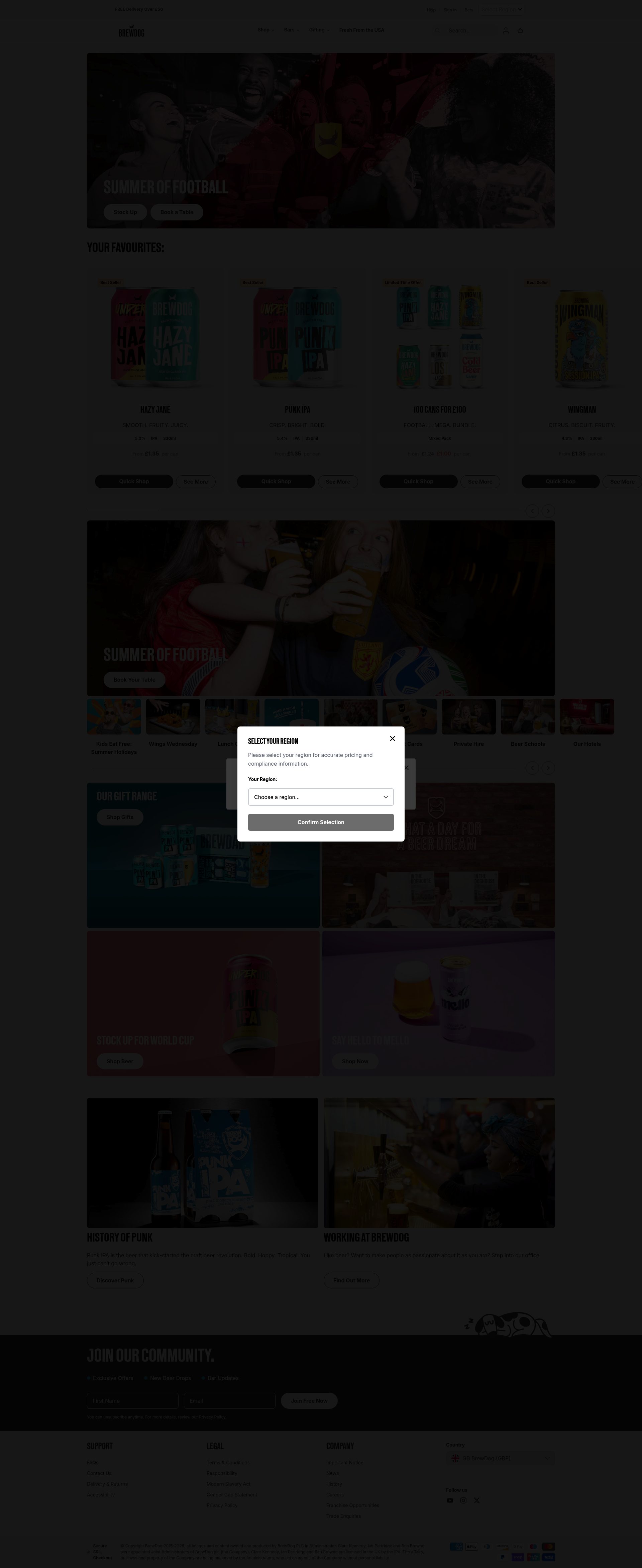
BrewDog is the largest and most recognisable craft beer brand in the UK, and their Shopify Plus store reflects the scale of operation behind it. The product range spans core beers, seasonals, collaborations, limited releases, and non-alcoholic alternatives, and the store navigates all of that breadth without making the customer work hard to find what they want. Filtering by ABV, flavour profile, pack format, and whether a beer is on subscription makes the catalogue genuinely usable rather than overwhelming. Their subscription programme, Hop Drop, is surfaced prominently throughout: the value case is made clearly at the category level and reinforced at product level, which pushes customers toward a recurring model rather than a one-off basket. BrewDog's Equity for Punks community pages are woven into the store navigation, reminding buyers that their purchase is also a stake in the brand, which is a retention mechanic that goes well beyond a loyalty points scheme.
2. Cloudwater Brew Co
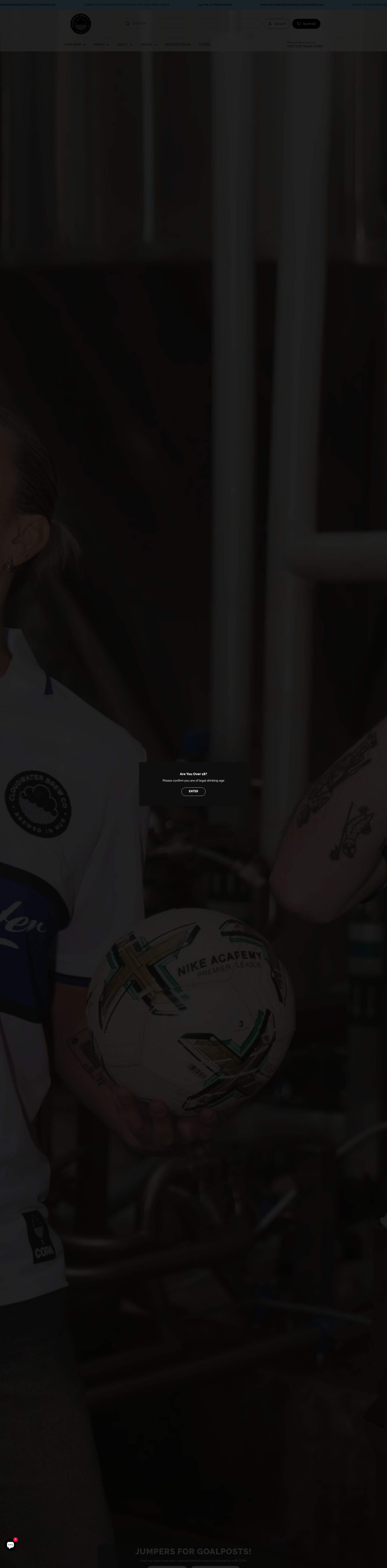
Cloudwater is the benchmark for how a serious craft brewery handles limited-release drops on Shopify. Their releases are scheduled, anticipated, and frequently sell out within hours. The store manages this well: release dates are communicated on a dedicated upcoming page, email sign-up for drop notifications is prominent, and the product pages go live at the exact right moment without the store degrading under traffic. The subscription offering lets customers guarantee access to new releases without competing in a drop, which is smart commercial architecture: it converts the most engaged buyers into subscribers and takes pressure off the drop mechanic. Product page copy is unusually good for a brewery store: tasting notes are specific and sensory rather than generic, with hop variety names, dry-hopping weights, and water chemistry described in a way that signals real expertise to a knowledgeable buyer.
3. Verdant Brewing Co
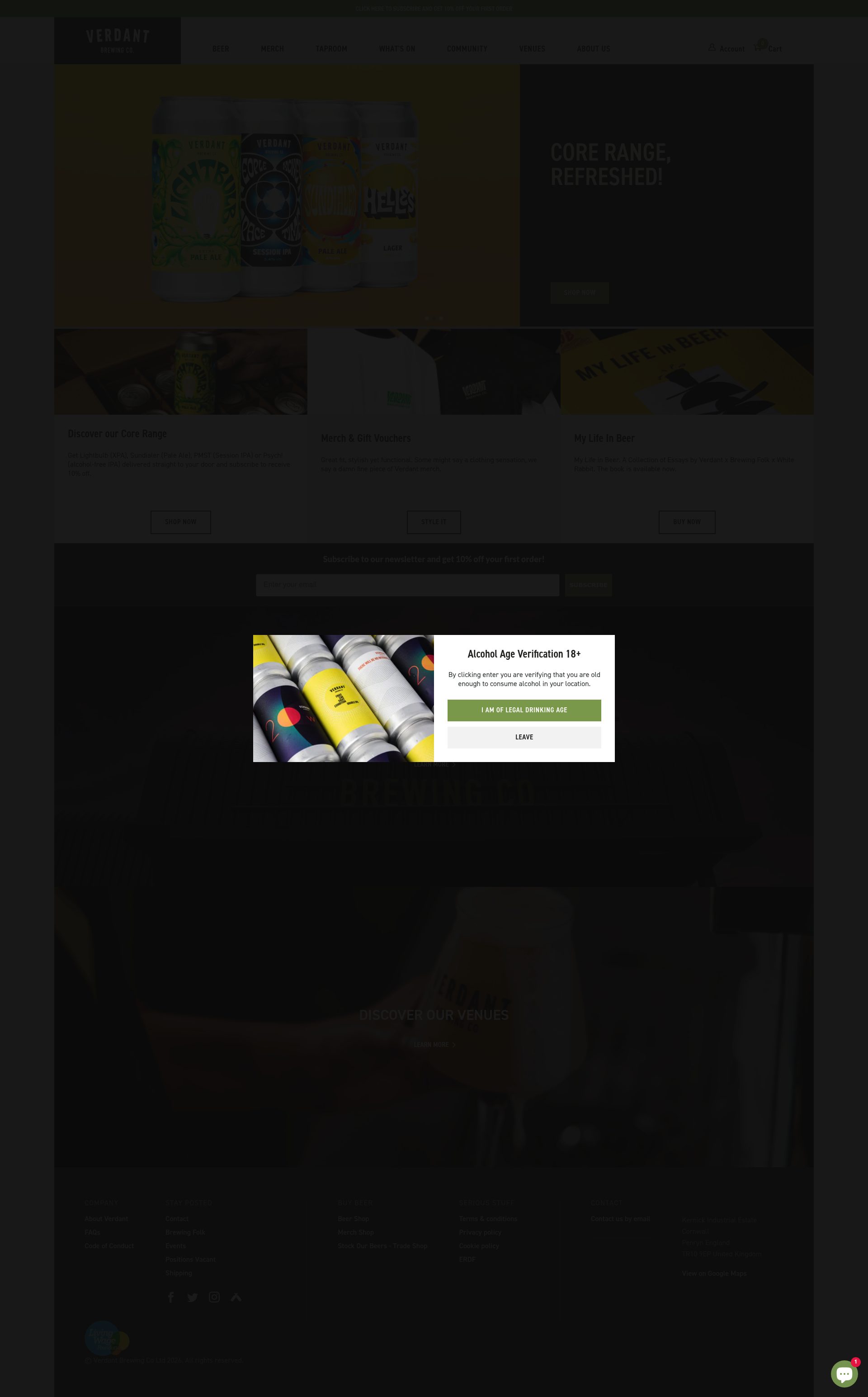
Verdant is a Falmouth-based brewery that has built one of the most loyal DTC followings in UK craft beer, and their Shopify store is a significant reason why. The product photography is consistent and distinctive: cans are photographed clean against a light background, the label artwork is given room to breathe, and lifestyle shots are used sparingly so that the product itself does the work. Their mixed-case builder is a conversion highlight: customers can construct a personalised case from the current range with a clear minimum quantity and a price-per-can calculator that updates dynamically, reducing the main friction point in multi-SKU beer purchases. Verdant also does something most brewery stores miss: they flag beer freshness explicitly, with packaging dates on product pages and copy that explains why fresher is better for hazy and juicy styles. That transparency builds the trust that justifies buying direct at a higher price than a bottle shop.
4. Beavertown Brewery
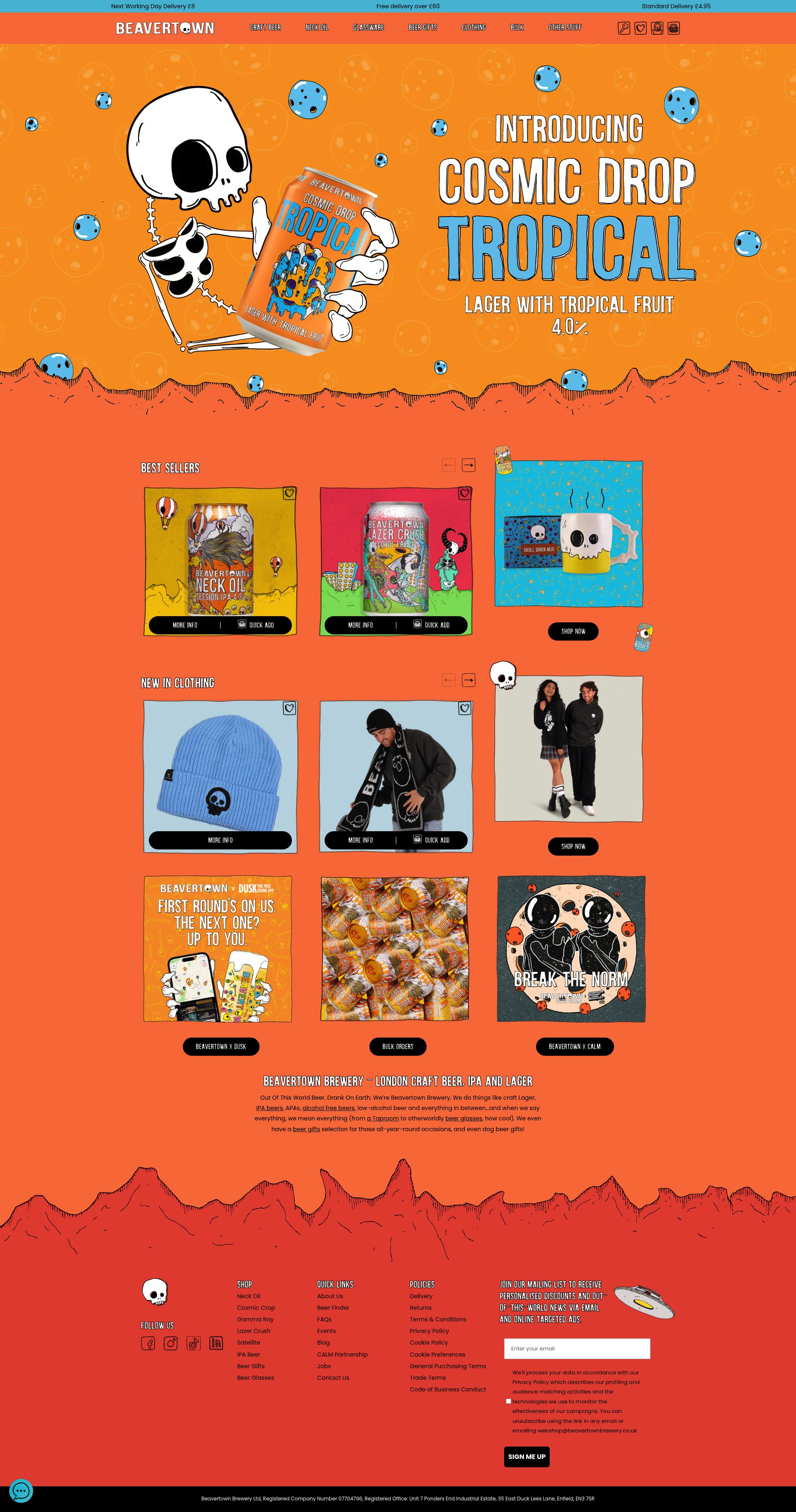
Beavertown built its identity around highly recognisable, skull-and-space-themed can artwork, and the Shopify store carries that visual identity through every touch point. The homepage is bold and immediately brand-led without sacrificing usability: the shop is accessible in one click from the hero, and new and limited releases are always above the fold. Their Beavertown Extravaganza festival merchandise drops are handled through the same store, giving them a secondary revenue stream with high-margin branded goods that share the beer's audience. The Bones subscription programme is presented with a strong value proposition: exclusive access to limited beers not available elsewhere, early access windows, and a fixed monthly case at a discount. The checkout is optimised for gifting: gift messaging and next-day delivery are surfaced at cart stage rather than at a late checkout step, which reduces abandonment on higher-value orders.
5. Northern Monk
Northern Monk uses their Shopify store to sell beer and build a wider brand universe simultaneously. The Patron Saints series, an ongoing collaboration programme with artists, musicians, and cultural figures, gets its own section of the store, with each collab beer accompanied by editorial content about the collaborator and their connection to the brand. That framing transforms a product page into an editorial moment, which increases time on site and the emotional connection a buyer has with what they are adding to their basket. Their online shop handles stock allocation for limited releases without a separate app: product pages show remaining stock counts in real time, which creates natural urgency without countdown timers that feel manipulative. The refectory (taproom) click-and-collect integration means local Leeds customers can shop online and collect the same day, turning the store into a local convenience tool as well as a national shipping operation.
6. Siren Craft Brew
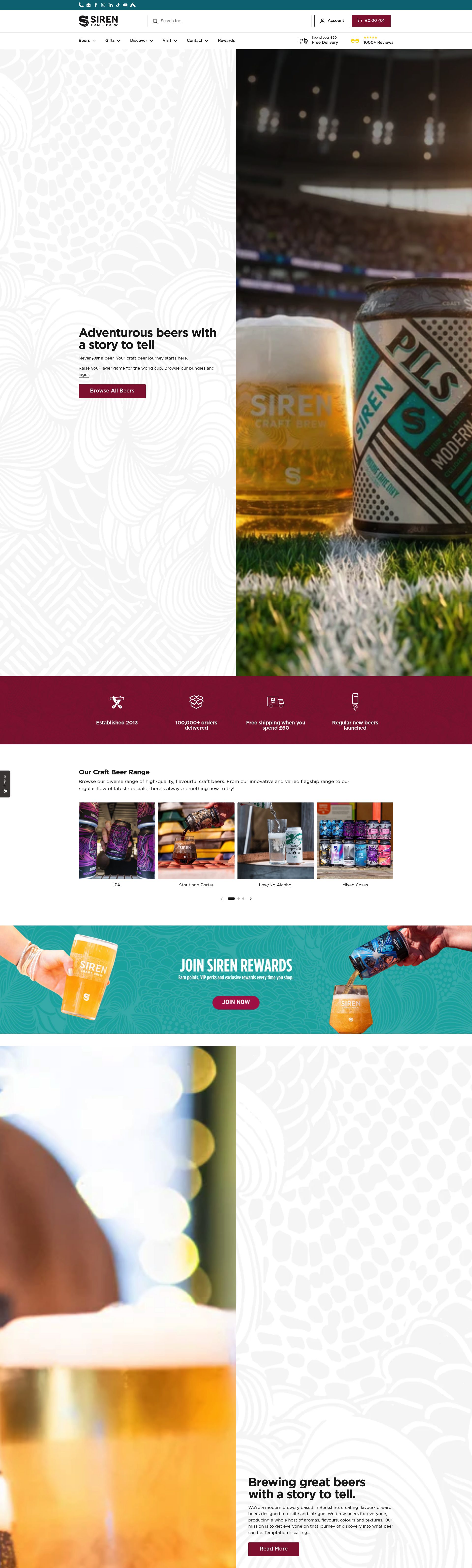
Siren Craft Brew from Berkshire operates a Shopify store that is particularly strong on subscription architecture. The Siren's Cellar subscription is the commercial centrepiece of the store and the product page does everything right: it explains the contents of each tier, the frequency options, the skippability policy, and the exclusive-access benefit of being a subscriber. That information is presented in a clear comparison layout rather than buried in FAQ text, which removes the common hesitation points around subscription commitment. Their mixed-case offerings are personalised by beer style preference, letting customers indicate whether they want hoppy, dark, sour, or a mix, which is a simple feature that meaningfully improves the relevance of what arrives at the door. Product pages for individual beers include a "Pairs with" section linking food pairings, which adds editorial value and increases basket size when buyers are shopping for a dinner occasion.
7. Omnipollo
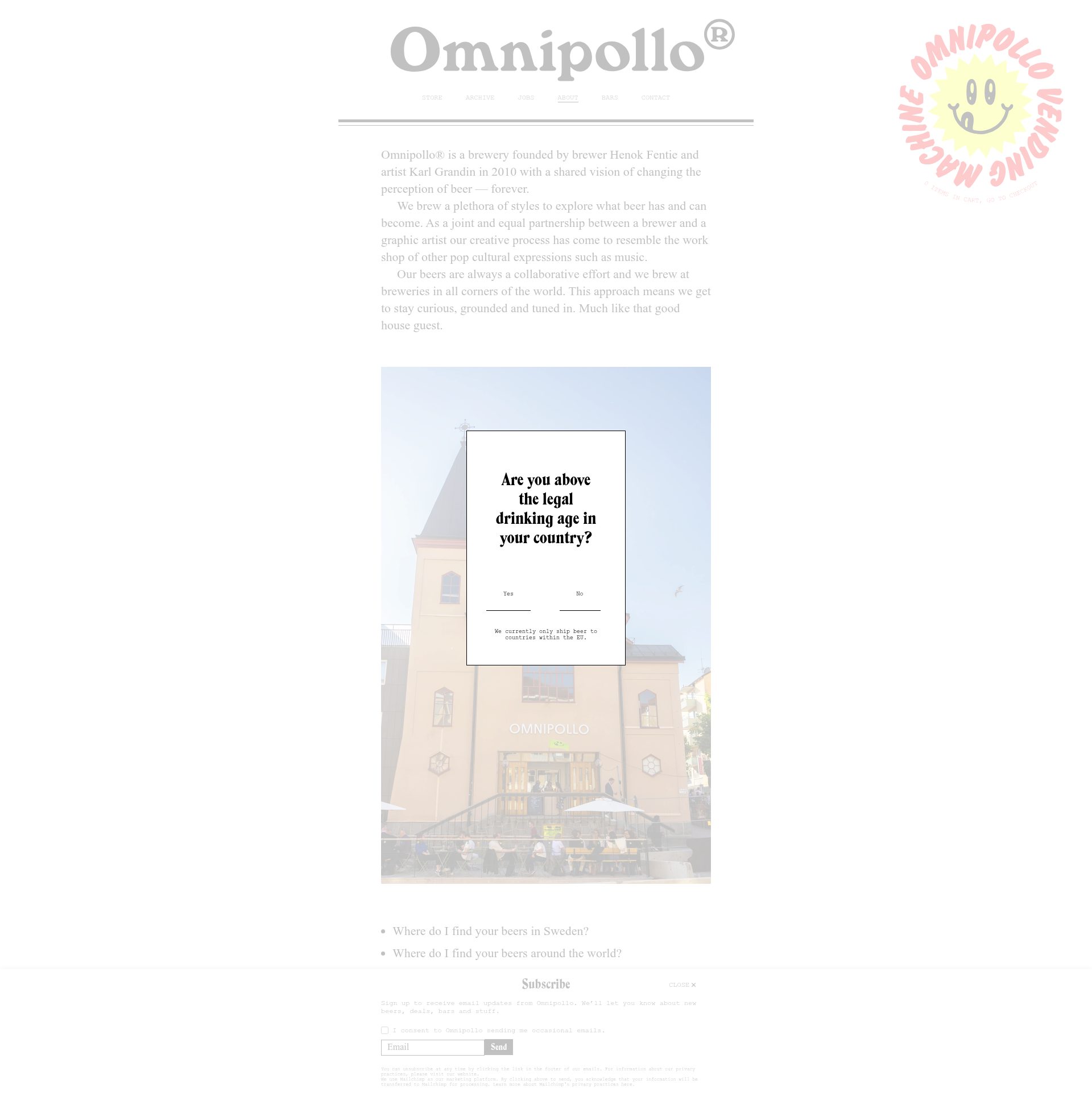
Omnipollo is a Swedish-American brewery known for boundary-pushing beer and some of the most distinctive label artwork in the craft category. Their Shopify store reflects both of those qualities. The product grid is visually led: label artwork is given full prominence, and the store layout treats each new beer as a collector's edition rather than a commodity product. This is the right approach for a brand where the art is as much the product as the liquid inside. International shipping is handled cleanly with currency switching, and the store communicates clearly which products are shipped from their Swedish warehouse versus their US collaborators, which manages delivery expectation without friction. Limited-edition releases are flagged with "Only X left" inventory signals at the collection level, not just on the product page, which creates urgency before the click rather than after it.
8. Pressure Drop Brewing
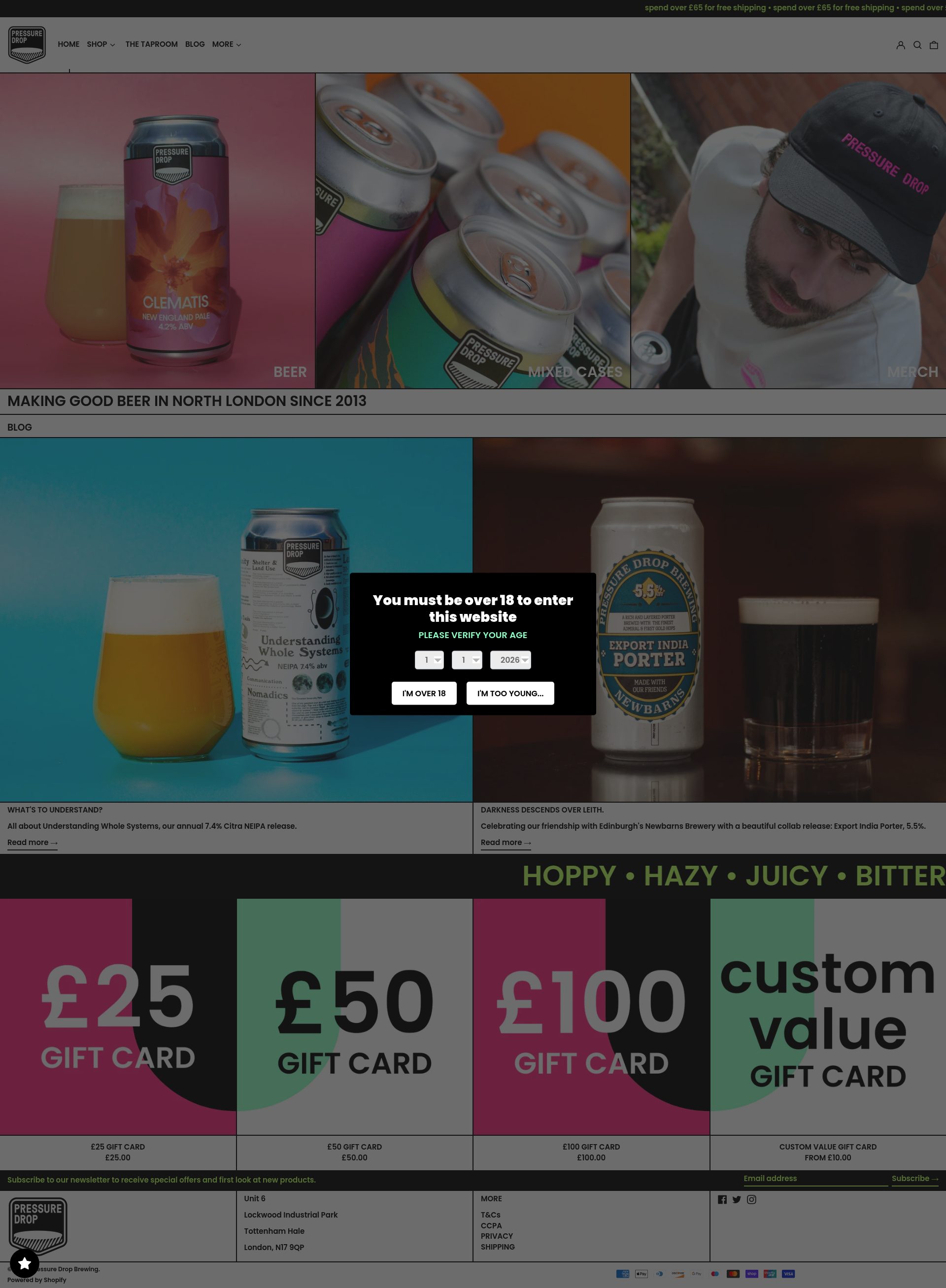
Pressure Drop is a Tottenham-based brewery whose Shopify store is a strong example of a smaller independent maximising what the platform can do without the budget of a BrewDog. Their weekly release schedule is communicated clearly on the homepage with a "New This Week" section that updates every Thursday. That cadence creates a habit loop: regular buyers know to check back, and email subscribers get advanced notice that sends them straight to the new product pages before stock depletes. The store makes intelligent use of tagging: beers are labelled with style (hazy, sour, stout, lager), format (can, keg, bottle), and occasion (session, big can, sharing), so a buyer looking for a low-ABV option for a weeknight can filter to it instantly. Click-and-collect from the taproom is seamlessly integrated, with an address and collection hour confirmation in the checkout confirmation email — a detail that matters when you are asking someone to come to a warehouse on a trading estate.
9. Deya Brewing Company

Deya is a Cheltenham brewery that has become one of the most sought-after craft beer names in the UK, and their Shopify store reflects the scarcity that drives that demand. New releases are announced with minimal fanfare and short lead times, which trains the most committed buyers to act quickly. The store's product pages are deliberately concise: tasting notes are brief, honest, and specific (a two-line description of hop varieties and fermentation character, nothing more), which communicates confidence rather than the padding common to brands that are less certain of their product. Their case pack options are structured around the beer style: some releases are available only in 12-can cases, which protects margin and manages fulfilment complexity for high-demand drops. The homepage acts as a live inventory window: only what is currently available to buy is shown, which means a first-time visitor gets an accurate picture of the brand in real time rather than a confusing mix of in-stock and out-of-stock products.
10. Wylam Brewery
Wylam is a Newcastle-based brewery operating out of the Palace of Arts in Exhibition Park, and their Shopify store balances the local taproom identity with national DTC shipping effectively. The Palace of Arts context is woven into the brand story on the homepage: images of the venue, the barrel ageing programme, and the events calendar sit alongside the online shop, giving the store a physical anchor that premium beer buyers respond to. Their bottle-conditioned and barrel-aged releases are a distinct section of the store with longer product page copy that explains the ageing process, the barrel provenance, and the expected development of the beer over time. That level of detail justifies prices that are significantly higher than their core can range, and it converts the buyer who is shopping for something genuinely special rather than a session six-pack. Wylam also surfaces their Patreon membership through the store navigation, creating a community revenue channel that sits alongside the transactional shop.
Comparison table
| Brand | Niche Focus | Price Point | Shopify Standout |
|---|---|---|---|
| BrewDog | Core, seasonal, and non-alcoholic | Mid | Hop Drop subscription + community integration |
| Cloudwater | Limited hazy and modern styles | Premium | Drop mechanics and subscriber early access |
| Verdant | Hazy IPA and modern UK craft | Premium | Mixed-case builder with freshness transparency |
| Beavertown | Core cans and branded merch | Mid | Bones subscription + merch drop integration |
| Northern Monk | Collaboration and artist series | Mid–Premium | Editorial content per release, stock countdown |
| Siren Craft Brew | Mixed styles, subscription-first | Mid–Premium | Subscription UX and food pairing content |
| Omnipollo | Art-led, experimental styles | Premium | Collector-edition product grid, live inventory |
| Pressure Drop | Weekly release schedule | Mid | New This Week cadence + taproom click-and-collect |
| Deya | Sought-after hazy and pale | Premium | Scarcity design, concise product pages |
| Wylam | Barrel-aged and bottle-conditioned | Premium | Venue storytelling + Patreon integration |
What these stores get right
- Subscription architecture is treated as a product, not an afterthought. The best stores in this category present their subscription offering with the same care as their top-selling beer: clear tier comparison, explicit benefits, transparent cancellation policy, and a value case that goes beyond a percentage discount.
- Limited-release drops are operationally planned. Stock counts, release date communications, and email list segmentation are set up before a product goes live, not scrambled together at the last minute. Buyers who want access feel like they are being looked after, not excluded.
- Mixed-case builders reduce the main friction point in multi-SKU beer purchases. Letting a buyer construct their own case from the available range, with a live price-per-can calculator, removes the biggest reason customers leave without converting: uncertainty about which beers to pick.
- Product pages signal expertise, not just enthusiasm. Hop variety names, water chemistry, packaging dates, and fermentation character are specific, credible claims. Vague tasting notes that could describe any beer do not convert a buyer who knows the category.
- Click-and-collect is integrated properly, not bolted on. For breweries with a taproom, the local collection mechanic is worth as much as national shipping. The stores that get it right confirm collection hours, address, and what to expect in the order confirmation email.
If you are building or scaling a Shopify store for a drinks brand, brewery, or any DTC food and drink business, our Shopify design service is built around exactly these kinds of commercial outcomes. Get in touch to talk through what your store needs.
Frequently asked questions
What platform do most independent UK breweries use for DTC sales?
Shopify and Shopify Plus are the dominant platforms in UK brewery DTC. Shopify handles subscriptions, limited-release drops, mixed-case bundles, and click-and-collect through its native feature set and app ecosystem, which covers the core mechanics a brewery needs without custom development.
How do craft beer stores manage limited-release drops without crashing?
The best brewery stores handle drops by communicating release dates in advance, segmenting their email list to notify subscribers first, and using real-time stock counts on collection and product pages. Cloudwater and Deya are the clearest examples of this done well: buyers know exactly when to act and the store holds up under the traffic spike.
Is a subscription programme worth building for a small brewery?
Yes, and it is often the most important commercial decision a growing brewery can make. Subscription customers have a higher lifetime value, smoother cash flow, and are more likely to buy during limited drops. Siren Craft Brew and Beavertown both structure their subscriptions around exclusive access, which is a stronger value proposition than a flat percentage discount.
What makes a craft beer product page convert better than a standard ecommerce page?
Specificity. Hop variety names, packaging dates, water chemistry, ABV, and fermentation character are specific, verifiable claims that signal expertise. Vague tasting notes that could describe any pale ale do not convert a buyer who knows the category. Verdant's freshness transparency and Cloudwater's brewing notes are the best examples in this list.
How should a brewery handle click-and-collect alongside national shipping?
Treat click-and-collect as a first-class fulfilment option, not a workaround. The stores that do it well confirm collection hours, address, and what to expect in the order confirmation email. Pressure Drop and Northern Monk both integrate taproom collection cleanly at checkout, which turns local buyers into reliable repeat customers without competing on shipping speed.