
Quick summary
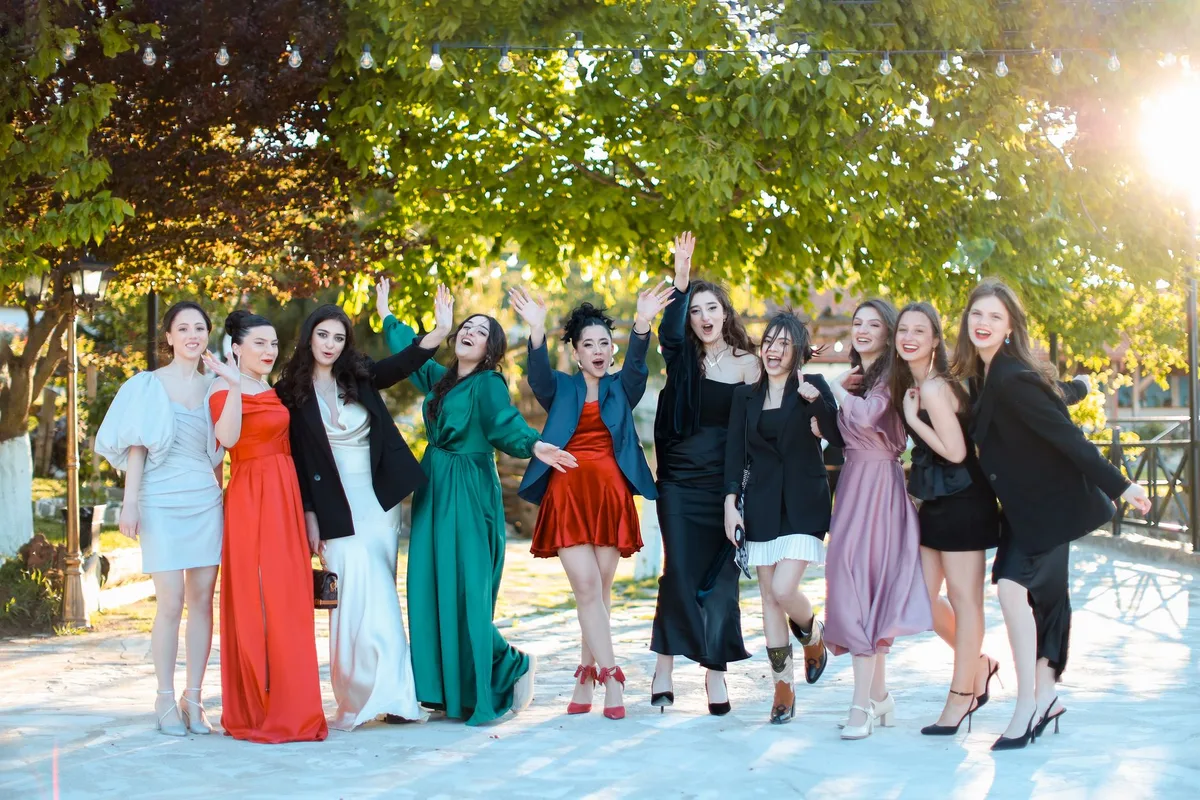
Chi Chi London is the strongest all-round build in this category, with event-led navigation, occasion-specific size guides, and delivery reassurance baked into the product page rather than buried in the footer. Needle & Thread earns its premium price point through editorial photography and unusually detailed fit notes covering seam length, underlays, and slip requirements. Goddiva handles the largest SKU count most effectively, with filtering by event type, neckline, sleeve length, and price that turns a 4,000-product catalogue into a manageable browse. Never Fully Dressed stands out for brand storytelling, using its homepage as a curated editorial space that sells the print identity before the customer reaches a product page.
Occasionwear is a high-intent, high-AOV category where the customer already has a date in the diary. That context shapes everything: the store needs to create confidence fast, answer the size question clearly, and make delivery timing impossible to miss. The brands below have built Shopify stores that understand those priorities.
1. Chi Chi London

Chi Chi London runs a large occasionwear catalogue with dresses across weddings, parties, proms, and races, and their Shopify store handles that breadth without losing clarity. Collection pages are filtered by occasion, colour, and length, which is exactly how a customer with a specific event in mind thinks. Product pages include multiple model shots at different angles, fabric content, and a size guide specific to dress fit rather than generic clothing sizes. Their sale section is prominent but does not undermine the full-price catalogue, as it is positioned as a parallel channel rather than the main event.
Their delivery and returns messaging is reinforced at the cart and product level: next-day options are surfaced early, and their free returns policy is stated plainly rather than buried in a footer link. For a brand selling dresses that will not be tried on before purchase, that reassurance directly reduces abandoned carts.
2. Little Mistress

Little Mistress positions itself as accessible occasionwear, and the store reflects that with clear entry price points and a layout that never feels intimidating. Their homepage merchandising is strong: hero content is event-led ("prom," "wedding guest," "races") rather than collection-led, which matches customer intent at the point they arrive. Product pages carry customer reviews with event context, so a buyer can read that a dress was worn at a black-tie dinner or a summer wedding, which is far more useful than a generic five-star score.
The brand also makes strong use of editorial lookbook pages to group products by occasion and aesthetic, which increases time on site and drives multi-product sessions. Cross-selling is handled with "Complete the Look" sections that recommend shoes, bags, and jewellery, lifting AOV without requiring a separate upsell flow.
3. Needle & Thread
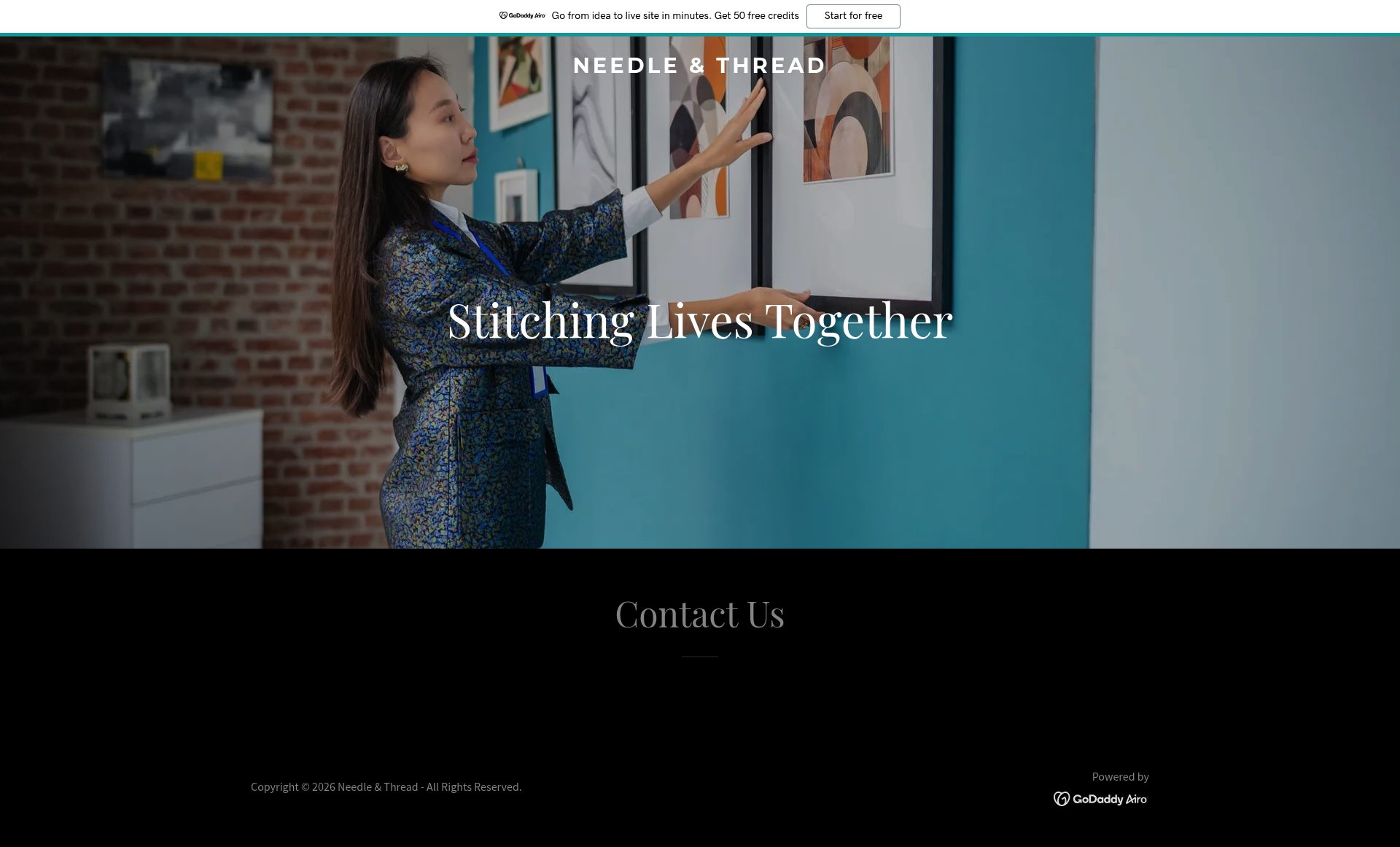
Needle & Thread sits at the premium end of the occasionwear spectrum, and their Shopify store earns the price point through execution. Product photography is editorial-quality, shot in environments that communicate the aesthetic clearly: candlelit ballrooms, garden parties, black-tie evenings. The result is that the customer understands the dress in context before they have looked at a single spec.
Fit and fabric information is detailed: seam length, underlay information, and whether a style requires a slip are all documented. That level of detail matters when a dress costs several hundred pounds and cannot be returned easily if it does not fit. Their editorial content, including styling guides and occasion-specific lookbooks, keeps customers on site longer and supports the SEO case for category-level search terms. Needle & Thread has built a store that justifies its price through information density and image quality rather than discounting.
4. Reiss
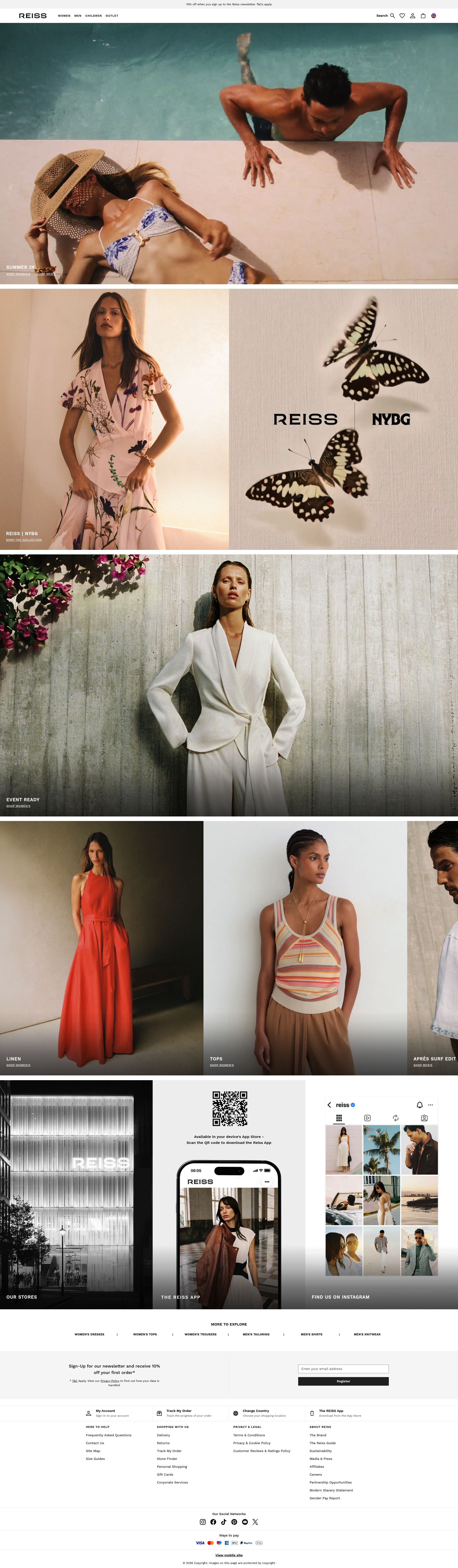
Reiss runs a large multi-category Shopify Plus store, and their occasionwear range competes credibly with standalone brands in the space. Their category navigation uses both occasion labels and product type, which makes it accessible whether a customer is searching by event or by silhouette. Product pages include video content on selected hero styles, which is a conversion tool that many occasionwear brands still ignore. Watching a dress move in video removes a significant uncertainty for a buyer who cannot try it on.
Their size and fit section goes beyond a standard chart: it includes model height, size worn, and a fit descriptor (relaxed, tailored, close-fitting) that translates numerical data into something a customer can act on. Reiss also integrates their store with an in-store appointment booking system, which captures the premium customer who wants a physical try-on option without requiring a separate booking platform.
5. Goddiva
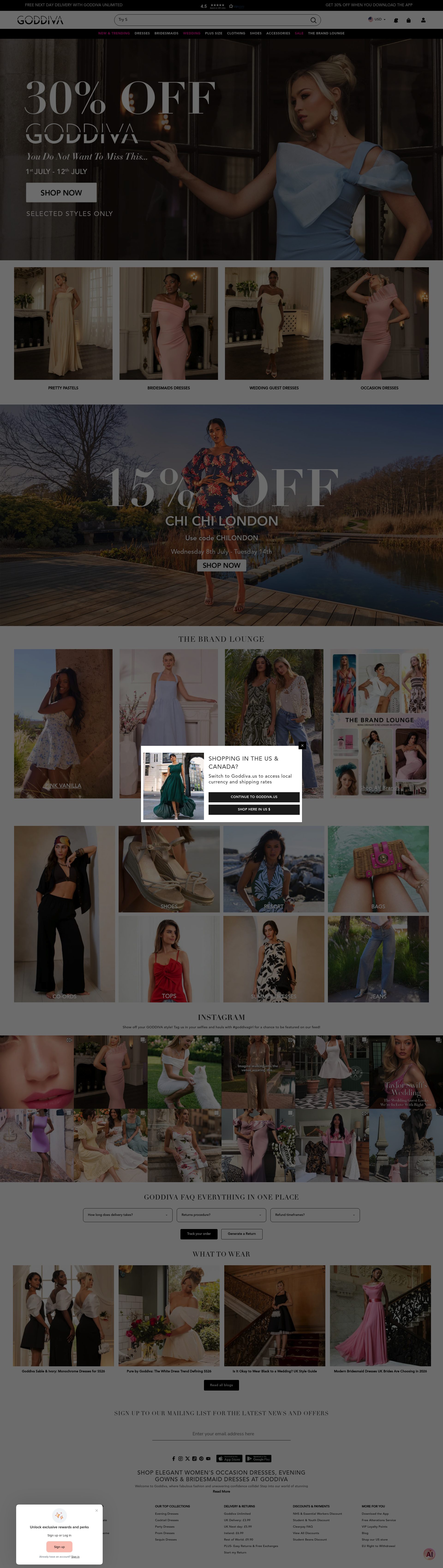
Goddiva is a direct-to-consumer occasionwear brand that has built its store around volume and variety. Their catalogue runs to thousands of SKUs across dresses, jumpsuits, and two-pieces, and the navigation makes that depth accessible through strong filtering: event type, colour, neckline, sleeve length, and price range are all available from collection pages. That filtering capability is a retention tool: a customer who narrows to exactly what they need is far more likely to convert than one browsing an unfiltered grid of several hundred products.
Their product page template includes multiple zoom-capable images, a fabric breakdown, and a sizing note specific to the style. Goddiva also runs a prominent new arrivals section updated frequently, which gives returning customers a reason to come back beyond a sale event. Their Black Friday and event-specific landing pages are well-executed, using countdown timers and curated product selections rather than generic discount banners.
6. Ghost
Ghost's brand positioning, centred on fluid, understated dresses in washable fabrics, makes for a natural Shopify content strategy. Their product pages lead with care and practicality: the machine-washable claim is stated immediately, which is a genuine differentiator in a category where dry-clean-only is the norm. That one piece of product information removes a significant objection for a customer thinking about what happens after the event.
The store uses subtle editorial photography throughout, consistent with a brand that is not trying to compete on trend but on quality and longevity. Ghost's collection pages group products by fabric and colour family, which suits their customer profile: someone building a wardrobe rather than buying for a single occasion. Their customer loyalty mechanics, including early access to new collections via email sign-up, are embedded naturally rather than feeling tacked on.
7. Lavish Alice
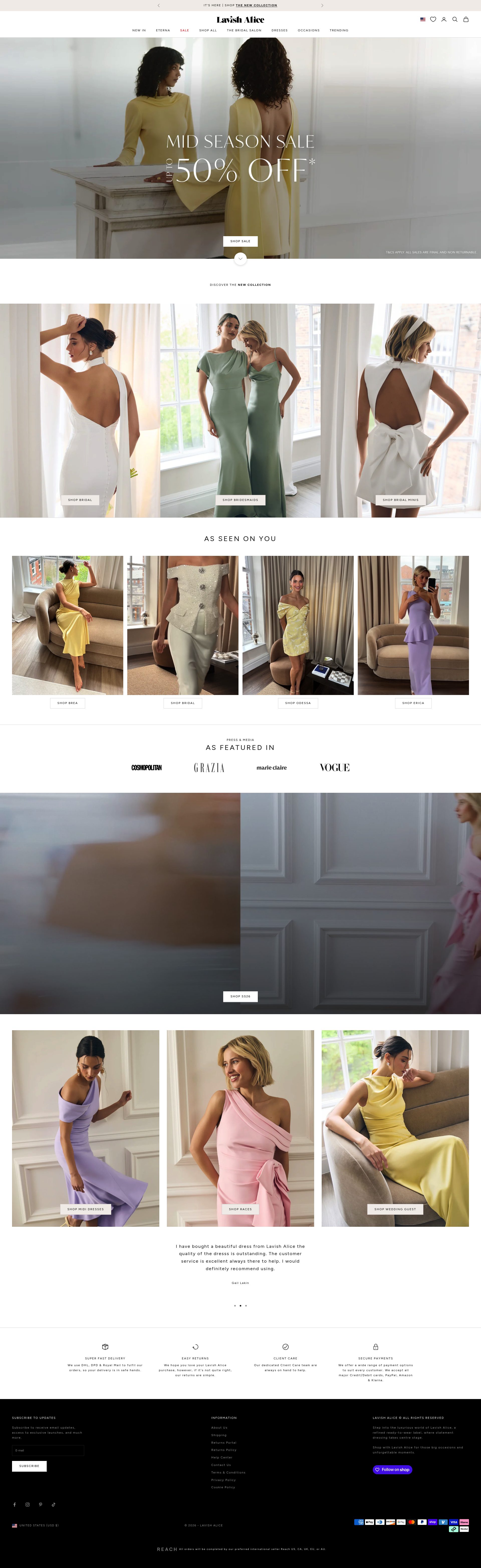
Lavish Alice built its brand through Instagram before most DTC brands were using it effectively, and the store reflects that visual heritage. Product pages integrate Instagram content alongside professional photography, showing how dresses look in real settings on a range of body types and at actual events. For an occasionwear customer who is asking "will this work for me?", that social proof is more useful than a second studio shot.
Their Shopify store also handles the technical side of a fashion DTC business well: pre-order functionality is integrated cleanly into the product page, so sold-out styles can still convert to future revenue rather than sending customers to a competitor. Their newsletter and SMS opt-in mechanics are prominent at basket and checkout, capturing customers who do not buy on the first visit but return when prompted.
8. Never Fully Dressed
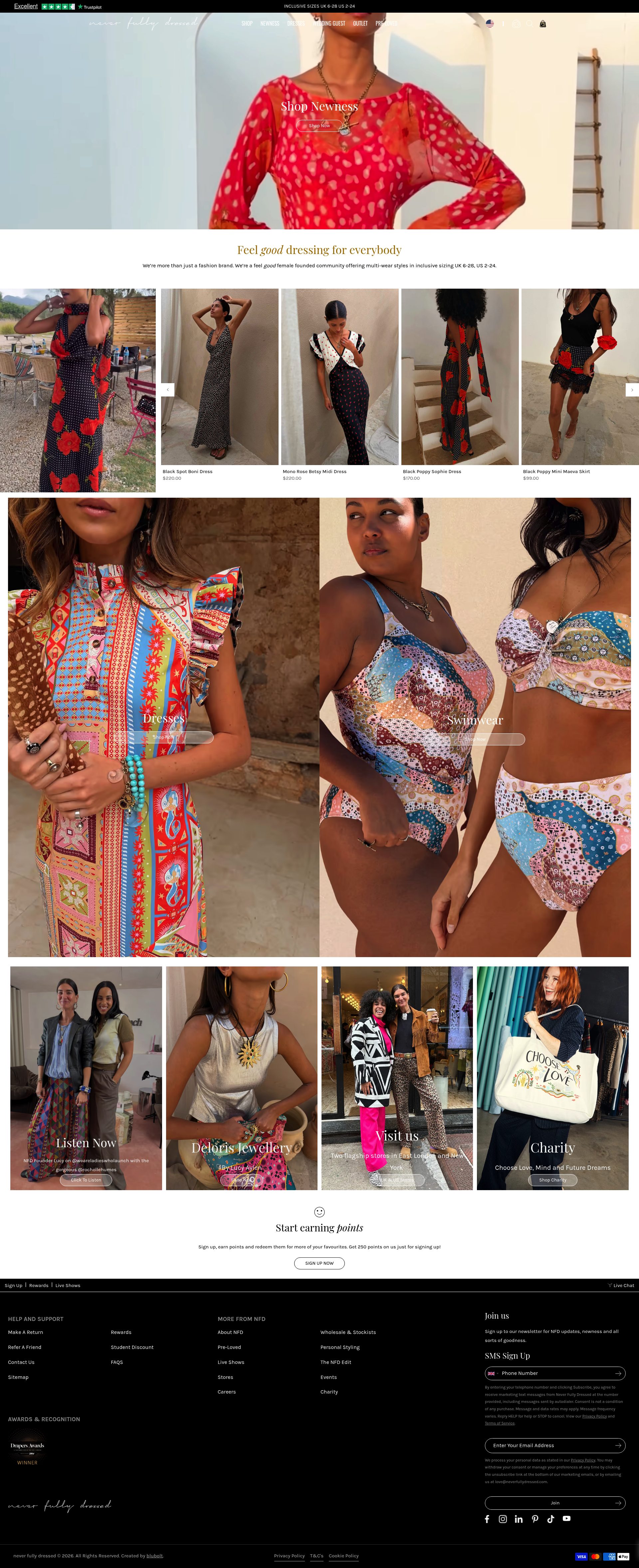
Never Fully Dressed is a print-led occasionwear and everyday brand whose Shopify store is built around strong visual identity. Their homepage is effectively a curated magazine: bold editorial imagery, trend-led collections, and minimal clutter. The product grid communicates the brand's aesthetic immediately, which is important for a brand whose differentiation is in the print rather than the silhouette.
Their product pages carry the most detail on print placement and repeat, because that information is specific to what makes their product different. They also run a strong edit and storytelling layer above the product catalogue, including styling content and behind-the-scenes imagery that feeds into longer session durations. Never Fully Dressed has invested in packaging and unboxing as part of the brand, and references to that experience appear in customer reviews on the product page, reinforcing perceived value at the point of purchase.
9. Coast
Coast is a heritage occasionwear brand that migrated to a pure ecommerce model, and their Shopify store manages the transition well. Their navigation separates by occasion clearly, with dedicated landing pages for weddings, black tie, garden parties, and the races, each with curated product selections and styling editorial. Those landing pages serve both conversion and SEO purposes: they capture high-intent search traffic and give the customer a pre-sorted product view.
Coast also handles the petite and curve range well, surfacing those collections in the main navigation rather than relegating them to a dropdown. For a brand with broad size coverage, making those ranges visible early reduces the number of customers who leave assuming they will not find their size. Their fit guide is occasion-specific, with advice on dress lengths appropriate for different events, which adds genuine utility beyond a standard size chart.
10. True Decadence
True Decadence occupies the embellished, maximalist end of the UK occasionwear market, and their Shopify store leans fully into that positioning. Product photography uses dramatic lighting and bold backgrounds that communicate the aesthetic immediately: there is no ambiguity about what kind of customer this brand is for. That clarity in photography reduces browsing friction because the customer self-selects quickly.
Their product pages include notes on embellishment placement and garment care that are specific to beaded and feathered dresses, which is information a buyer needs before committing to a delicate piece. True Decadence also runs a strong influencer and celebrity endorsement layer, with tagged editorial content on product pages where a dress has been worn at a high-profile event. For a brand whose customers are buying for occasions where they want to stand out, that social proof carries real weight.
If you run an occasionwear brand and your store is not converting at the level these brands achieve, the gap is usually product page execution and event-led merchandising. See our Shopify design service or get in touch to talk through what is possible for your store.
Frequently asked questions
Which Shopify occasionwear stores offer the best size guidance?
Reiss and Chi Chi London lead on this. Reiss includes model height, the size worn, and a fit descriptor (relaxed, tailored, close-fitting) alongside the standard size chart. Chi Chi London uses occasion-specific sizing rather than generic clothing guidance, which matters when a dress fit differs significantly from a casualwear fit.
Do UK occasionwear brands on Shopify handle petite and curve ranges well?
Coast is the standout here, surfacing its petite and curve collections in the main navigation rather than hiding them in a dropdown. Most other brands in this list carry extended sizing but do not promote it prominently, which means customers who need those sizes often leave before finding them.
Which occasionwear Shopify stores use video on product pages?
Reiss is the clearest example, with video on selected hero styles showing how the dress moves. Video is still underused across UK occasionwear; most brands rely on multiple static angles rather than motion, even though movement is one of the biggest unknowns for a customer buying a dress they cannot try on.
How do the best occasionwear stores handle delivery urgency for event-driven buyers?
Chi Chi London addresses this most directly, surfacing next-day delivery options at both the product page and cart stage rather than leaving them in the footer. When a customer has an event in four days, delivery timing is often the deciding factor, and burying that information costs conversions.
What makes Needle & Thread's Shopify store worth studying for premium occasionwear?
The combination of editorial photography and information density is what separates it. Most brands treat product pages as functional spec sheets; Needle & Thread uses ballroom and garden-party settings to contextualise the dress before the customer reads a single detail. The fit notes then close the remaining uncertainty: seam length, whether a slip is required, and underlay specifics are all documented, which is essential at the several-hundred-pound price point.