
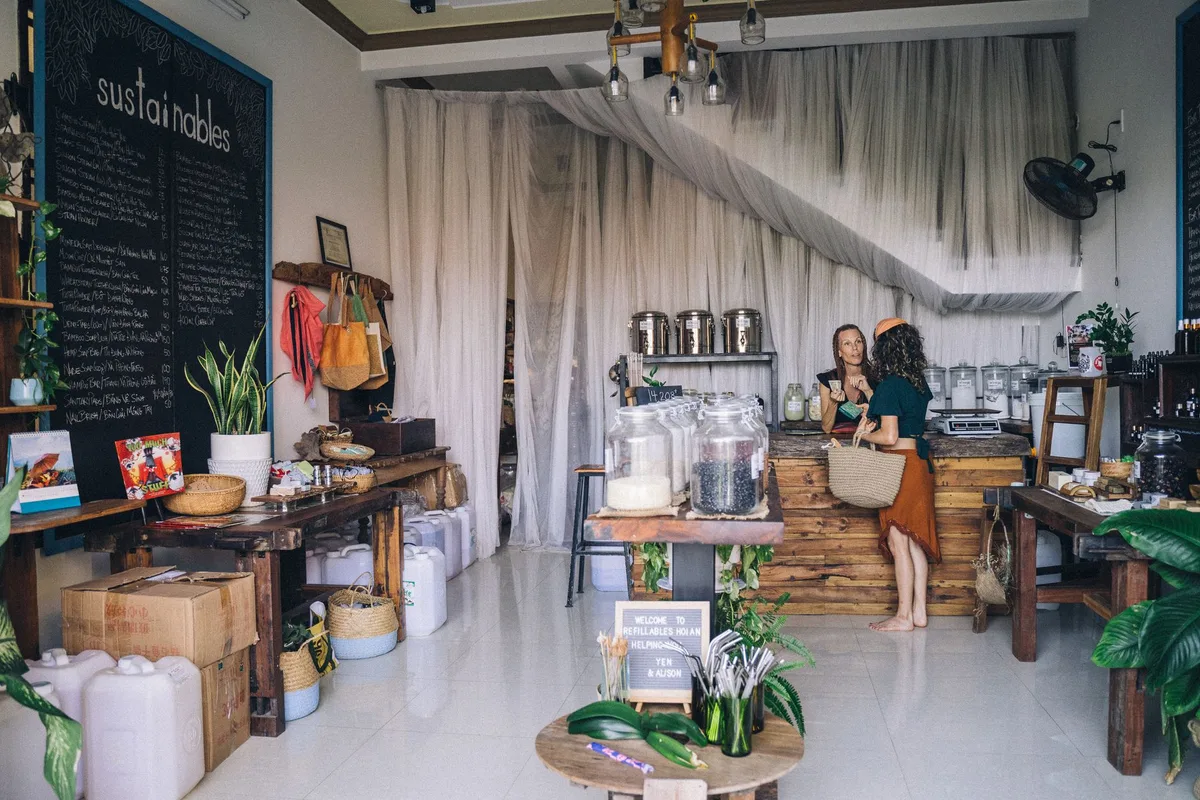
Quick summary
Patagonia sets the benchmark with supplier-level transparency built into every product page — the Footprint Chronicles and Worn Wear programme are genuine business model commitments, not PR. Allbirds is the standout for making sustainability measurable, displaying a per-product carbon footprint in grams of CO2e directly on the PDP. Finisterre punches above its size with a Materials Library linked from the main navigation and certification icons that actually explain what each certification means. Girlfriend Collective is the strongest reference for activewear merchants: it proves that inclusive sizing, dynamic product imagery, and recycled-material transparency can all coexist without compromising DTC conversion.
Sustainable ecommerce is harder to do well than it looks. Buyers in this space are sceptical by default: they have seen greenwashing, they read labels, and they compare claims against third-party certifications before they trust a brand. The stores that convert well here are not just putting the word "sustainable" in their tagline. They are building trust at every step — through material transparency, credible certifications, provenance storytelling, and UX that makes it easy to understand why a product is priced the way it is. These ten Shopify stores are the benchmark.
1. Patagonia
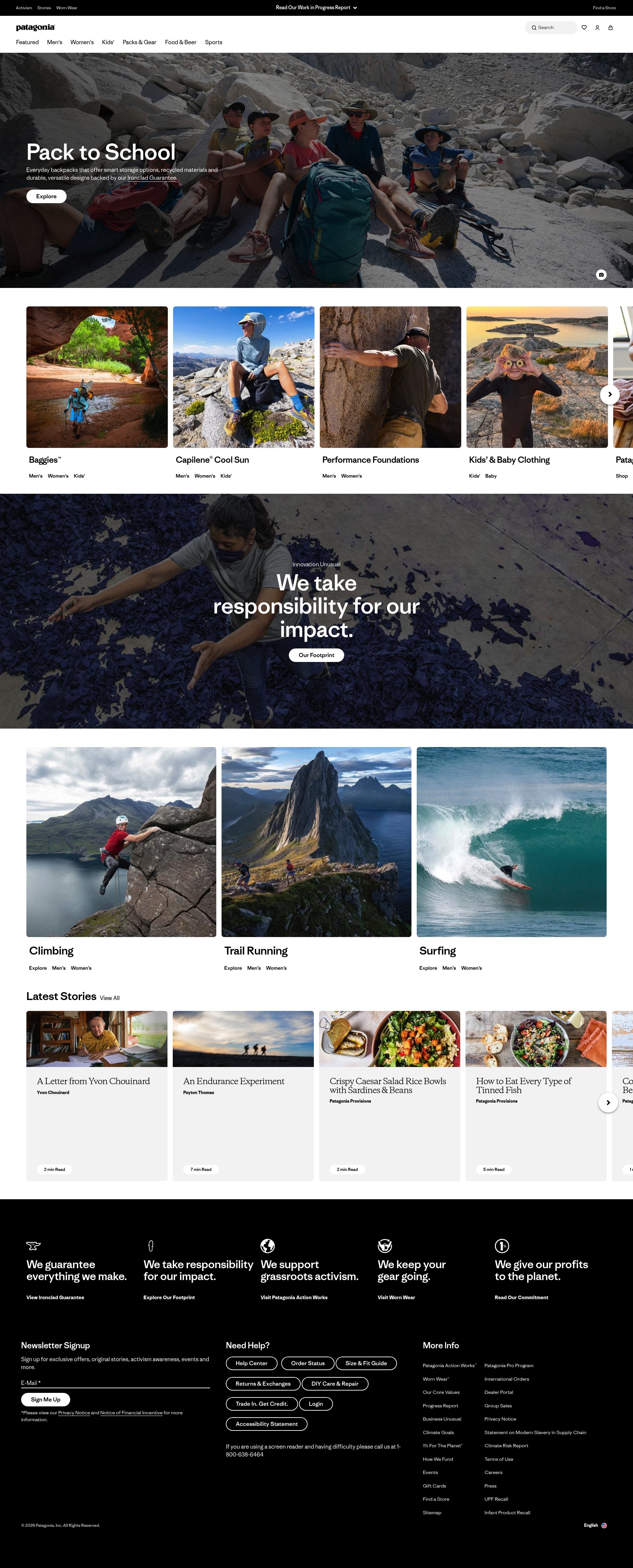
Patagonia is the longest-standing case study in ethical outdoor retail, and their Shopify store reflects decades of refining how to communicate environmental commitment without it feeling like marketing. The "Footprint Chronicles" — detailed supplier profiles showing factory location, social audit results, and materials sourcing — are linked directly from product pages, so the claim of responsible sourcing is verifiable rather than aspirational. Their Worn Wear programme, which sells repaired second-hand Patagonia gear, is integrated into the store navigation rather than treated as a side project, which signals that it is a genuine business model commitment rather than a PR exercise. PDPs feature fabric composition, recycled content percentage, and Fair Trade certification where applicable. The result is a product page that does more to earn trust than most brands achieve with an entire about section.
2. Allbirds
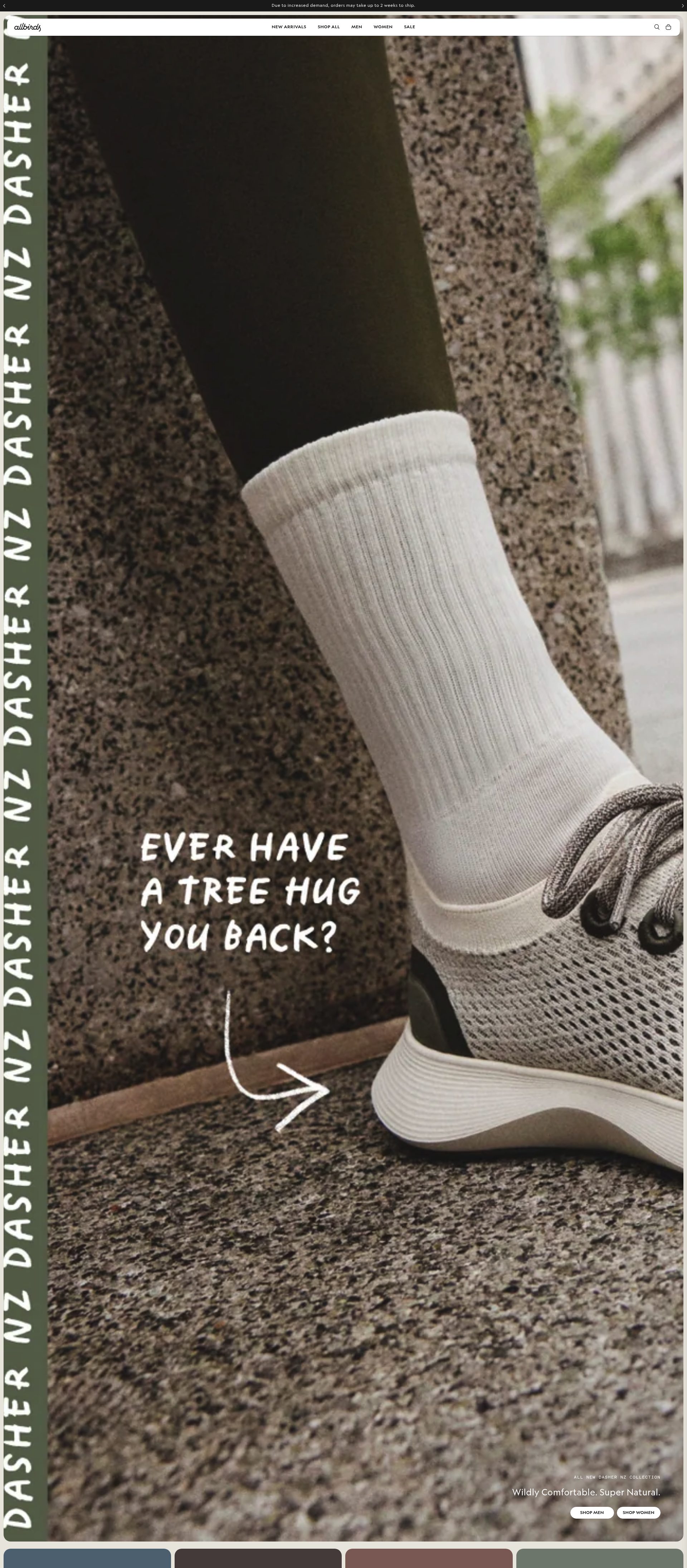
Allbirds built a footwear brand almost entirely on material transparency, and their Shopify implementation has kept pace with that positioning. Every product page displays a carbon footprint figure — a number calculated across materials, manufacturing, transport, and end of life — presented in grams of CO2e with a benchmark comparison. That specificity is unusual in retail and deliberately so: vague sustainability claims are easy to ignore, and a concrete number is harder to dismiss. Their collection pages are structured by material (Merino, Eucalyptus, Sugar, Algae), which is an interesting navigation choice that educates the customer about inputs rather than just outputs. Colour swatches are clean and high-fidelity. The checkout is fast, with recycled packaging details in the order confirmation flow. Allbirds is a strong reference for any merchant who wants to make their sustainability credentials a conversion asset rather than a compliance afterthought.
3. Finisterre
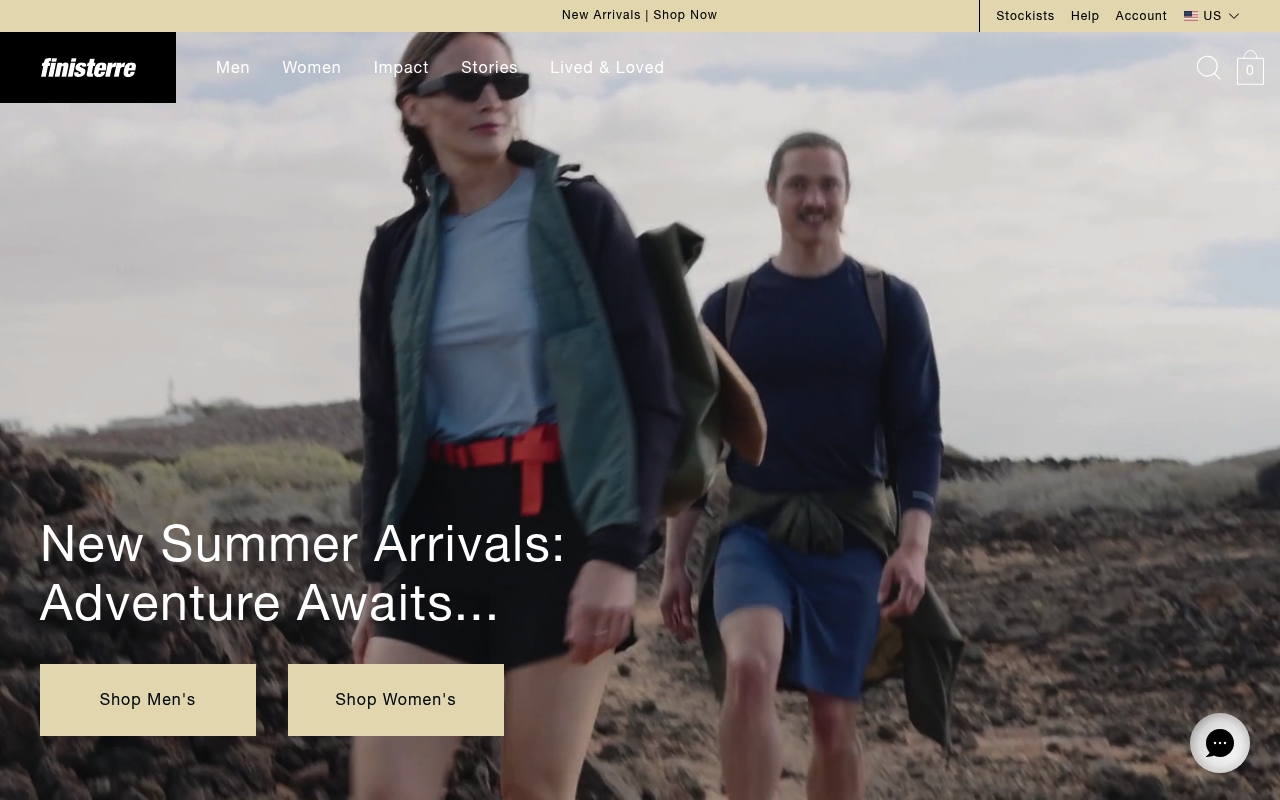
Finisterre is a Cornish surf and outdoor brand built around cold-water surfing and responsible sourcing, and their Shopify store handles both sides of that identity well. Their "Materials Library" — a dedicated page explaining the provenance and certifications behind every fabric they use — is linked from the main navigation, not buried in the footer. PDPs include a materials breakdown with certification icons (bluesign, Responsible Wool Standard, GOTS), and each icon is linked to an explanation of what the certification actually means. That extra step matters: it treats the customer as someone who wants to understand rather than someone who just needs reassurance. Their photography is honest and location-led, showing product in real cold-water environments rather than studio conditions. As a UK brand selling to a predominantly UK and European audience, their size guides use centimetres and their delivery messaging is clear and localised. Finisterre demonstrates that a relatively small brand can match the content depth of far larger competitors.
4. Pela Case

Pela Case makes compostable phone cases and accessories, and their Shopify store has been built to convert a customer who is making their first genuinely compostable purchase. The key challenge in this category is scepticism: customers want to know what "compostable" actually means for a phone case, what happens at end of life, and whether it protects the phone as well as a conventional case. Pela addresses all three on the product page without making the customer search for answers. Their FAQs are embedded in PDPs, their composting return programme is explained with clear steps, and their materials are broken down in plain language. The case comparison tool, which lets you select your device and see the full compatible range, is well-implemented for a product type that spans hundreds of SKUs. Pela also does a strong job of surfacing their waste-reduction impact stats, plastic removed from the ocean, cases composted, without overstating or making the figures unverifiable.
5. Tentree
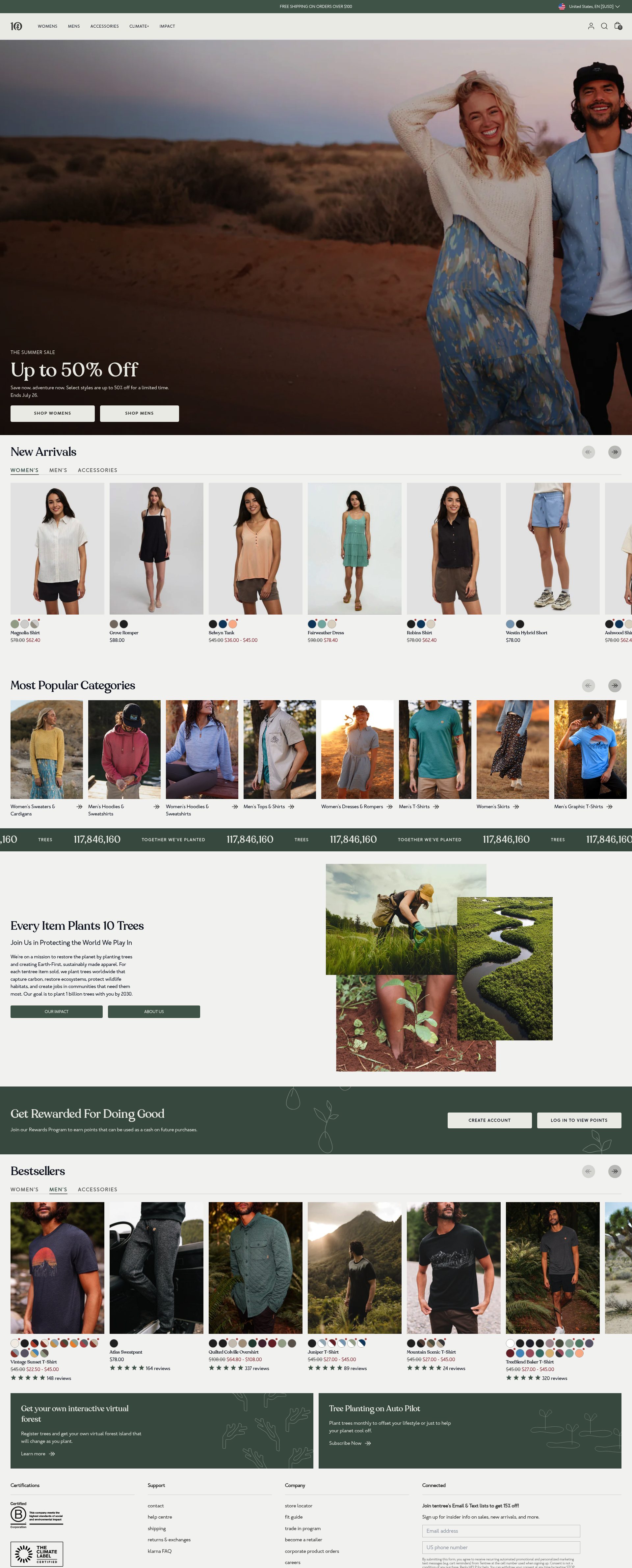
Tentree plants ten trees for every item purchased, and their Shopify store has built the entire customer experience around making that impact tangible. Every product page shows the number of trees it plants, and on purchase, customers receive a unique code to track their specific trees on a digital map. That proof-of-impact mechanic is one of the more effective implementations of environmental storytelling in DTC ecommerce: it turns an abstract claim into something the customer can point at. Their clothing PDPs include fibre certifications (TENCEL, organic cotton, recycled polyester) with brief explanations, and their collection pages are cleanly laid out with lifestyle photography that communicates outdoor and casual use without resorting to heavy-handed green imagery. Their "Impact Wallet" — a customer account feature showing total trees planted across all purchases — is a retention tool that uses environmental identity rather than points to build loyalty.
6. Raeburn
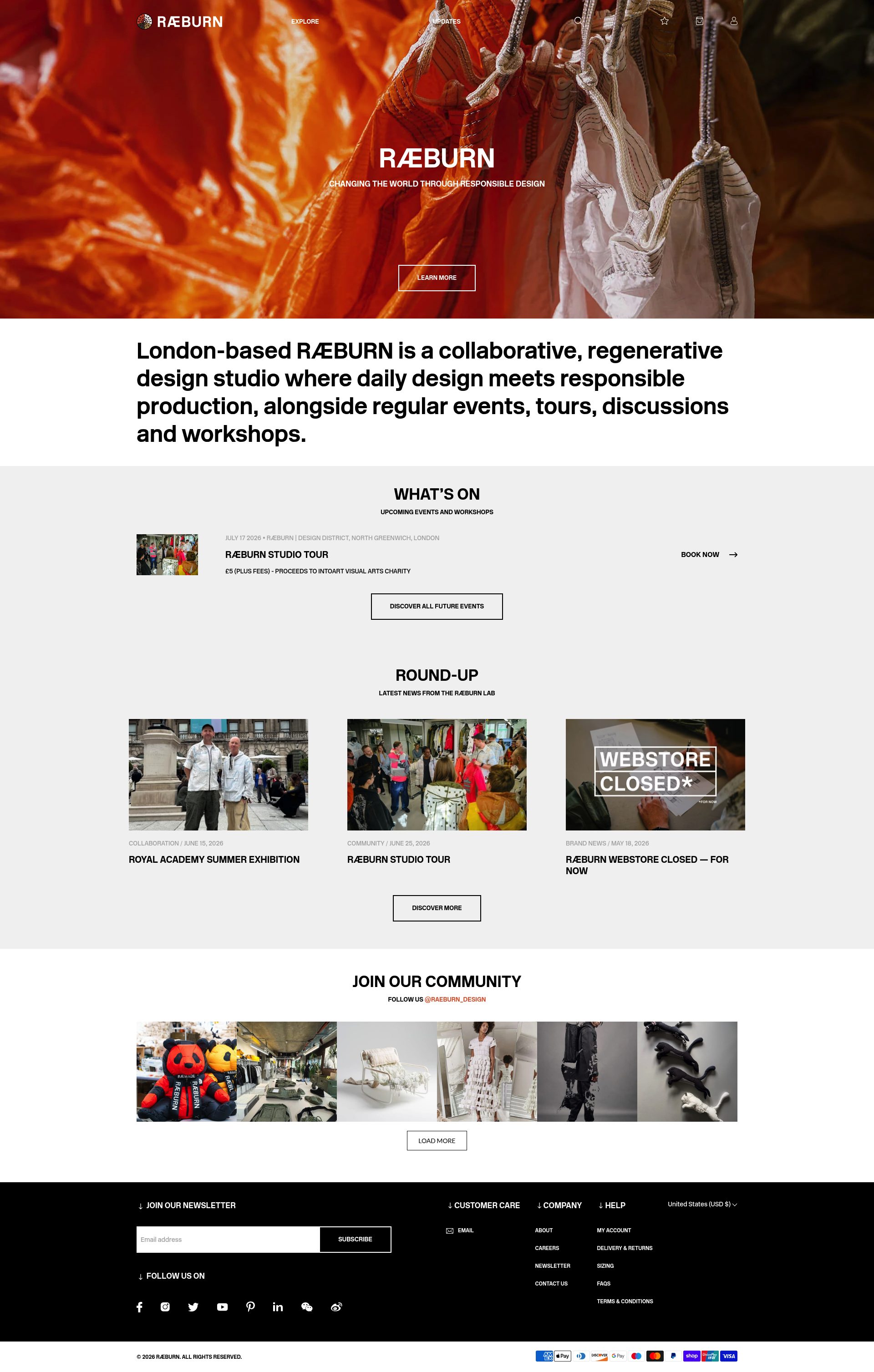
Raeburn is a London-based fashion brand that works primarily in remade, reduced, and recycled materials, and their Shopify store reflects the considered pace of their production model. Collections are limited and seasonal, and the store communicates this clearly: low stock indicators and the absence of permanent "new arrivals" feeds create a different shopping rhythm than fast-fashion DTC. Each piece is presented with material provenance detail, often identifying the original source material (surplus military fabric, decommissioned parachutes, deadstock industrial cloth). That specificity is not incidental — it is the product story, and Raeburn's store is built around telling it at the product level rather than only on a brand page. The photography is editorial in quality, and the store navigation is spare, which suits a brand with a deliberately curated offering. For merchants operating in the slow fashion or bespoke space, Raeburn demonstrates how to use scarcity and material storytelling as conversion tools without resorting to artificial urgency.
7. Elvis and Kresse

Elvis and Kresse rescue decommissioned materials — fire hoses, leather offcuts, billboard vinyl — and transform them into luxury accessories. Their Shopify store handles a genuinely unusual product type with precision. Each product page explains what the source material is, why it was destined for landfill, and how it has been transformed: that narrative is not background information, it is the primary reason someone buys from Elvis and Kresse over a conventional accessories brand. Their PDPs feature detailed material photography at close range, which communicates texture and quality in a way that abstract descriptions cannot. The store prominently highlights the brand's 50% profit-sharing model with charitable partners, which is unusual enough to stand out and credible enough, given the specific charities named, to be trusted. As a UK brand with limited production runs, their store handles out-of-stock products honestly, with waitlist options rather than hiding sold-out items.
8. Thousand Fell

Thousand Fell makes fully recyclable footwear: when the shoes wear out, you send them back and receive credit against your next pair. Their Shopify store has built the recycling programme into the customer journey from the first product page visit, not as a post-purchase email add-on. The recycling process is explained in three clear steps in a persistent section on every PDP, and the store makes it easy to enrol. Material transparency is a strong suit: each pair lists every component (upper, insole, outsole, laces) with its material and certification, which gives the customer a clear picture of what "recyclable" actually means in practice. Their footwear is positioned at a mid-premium price point, and the store justifies that premium through content depth rather than just aesthetics. Thousand Fell is a useful reference for any merchant whose product involves a take-back or circular programme — most implement it poorly, as a footnote; Thousand Fell integrates it as a feature.
9. Girlfriend Collective
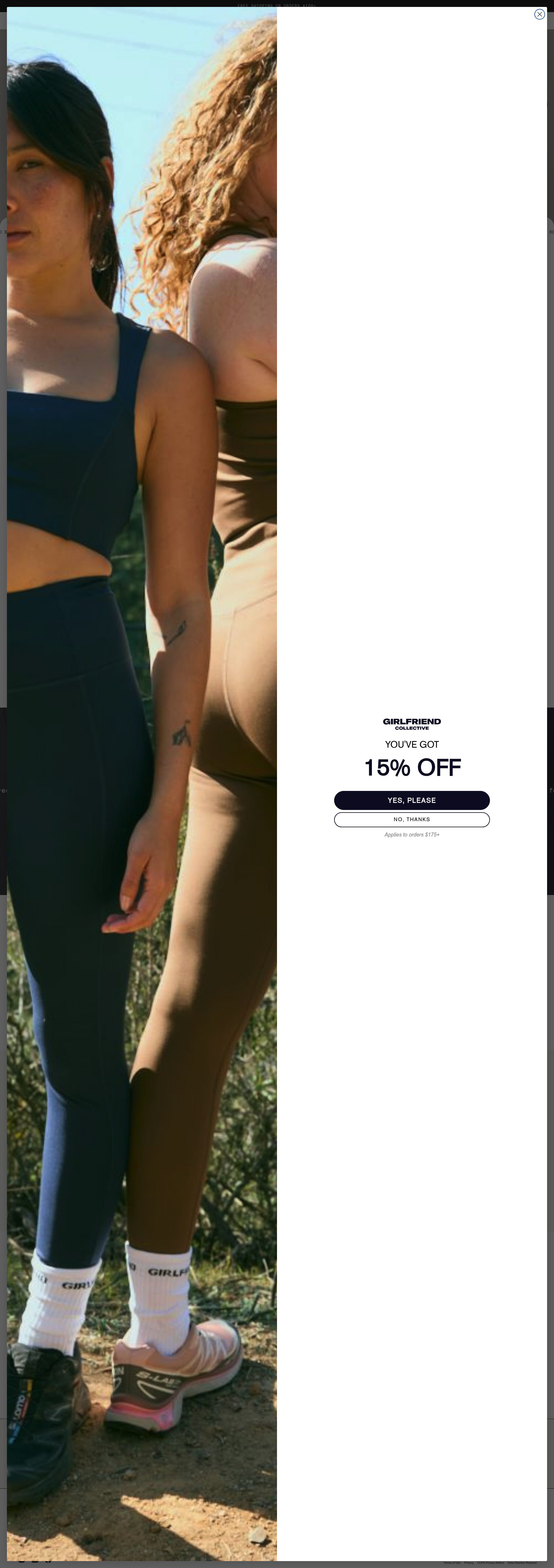
Girlfriend Collective makes activewear from recycled plastic bottles and fishing nets, and their Shopify store has mastered the combination of sustainability credentials and high-conversion DTC UX. Colour selection on their leggings and sets is a strength: swatches are large and accurate, lifestyle imagery updates dynamically when you select a colour, and the "shop the set" cross-sell logic is well-implemented. Size inclusivity runs from XXS to 6X, and the size guide uses both measurements and garment dimensions rather than assuming size-chart reading is intuitive. The recycled material content — how many bottles or nets went into each item — is displayed at the product level, not only on an impact page. Their returns and sizing confidence features (including a "try it" sizing note from the brand on many items) reduce hesitation effectively. Girlfriend Collective is a reference for sustainable activewear merchants who want to show that ethical sourcing and slick Shopify UX are not mutually exclusive.
10. Nimble Activated
Nimble Activated is a UK activewear brand making performance kit from ocean plastic and other post-consumer recycled materials. Their Shopify store is one of the cleaner examples of a mid-sized sustainable brand getting the fundamentals right without the budget of Patagonia or Allbirds. Product pages are uncluttered: certification icons (OEKO-TEX, GRS), recycled content percentage, and care instructions are presented clearly without competing for space. Their photography leads with performance context — running, training, outdoor movement — rather than green imagery, which positions sustainability as an attribute of the product rather than the entire brand identity. That is the right instinct: customers buy activewear that performs; sustainability is the reason they choose Nimble over a conventional alternative. Their loyalty programme rewards repeat purchase with points and also tracks the customer's cumulative environmental impact, linking retention mechanics to the brand's core value proposition.
Comparison Table
| Brand | Niche Focus | Price Point | Shopify Standout |
|---|---|---|---|
| Patagonia | Outdoor apparel and gear | Mid-premium | Footprint Chronicles supplier transparency in PDPs |
| Allbirds | Sustainable footwear | Mid | Per-product carbon footprint figures on every PDP |
| Finisterre | Cold-water surf and outdoor | Mid-premium | Linked certification explanations in PDPs, UK localisation |
| Pela Case | Compostable phone accessories | Mid | Embedded FAQs, composting return programme in product flow |
| Tentree | Sustainable casual apparel | Mid | Per-purchase tree tracking with digital map proof |
| Raeburn | Remade and recycled fashion | Premium | Material provenance as primary product story |
| Elvis and Kresse | Luxury rescued-material accessories | Premium | Source material storytelling, 50% charity profit-share |
| Thousand Fell | Recyclable footwear | Mid-premium | Recycling programme integrated into every PDP |
| Girlfriend Collective | Recycled activewear | Mid | Dynamic colour imagery, inclusive sizing, recycled content at product level |
| Nimble Activated | Ocean plastic activewear | Mid | Performance-first photography, loyalty impact tracking |
What These Stores Get Right
- Transparency is the product, not just the packaging. Every store on this list makes material sourcing, certifications, and environmental impact visible at the product page level. Not buried in an about section, not reserved for a dedicated sustainability page: on the PDP, where the purchase decision is made. If your store's ethical credentials only appear in the footer or on a brand values page, you are losing the buyers who came specifically to find that information.
- Certifications are explained, not just displayed. Icons for GOTS, bluesign, Fair Trade, GRS, and OEKO-TEX mean nothing to a buyer who does not recognise them. The best stores link each icon to a plain-language explanation of what the certification guarantees. That extra step turns a badge into a trust signal.
- Circular and take-back programmes are integrated into the purchase flow. Worn Wear, Thousand Fell's recycling scheme, Pela's composting return, Tentree's tree tracking: these are in the product page, not the post-purchase email. If your circular model is only communicated after the sale, you are missing the moment when it most influences the buying decision.
- Sustainability and strong UX are treated as compatible. Girlfriend Collective's dynamic colour imagery, Allbirds' fast checkout, Pela's device compatibility tool: none of these stores use ethical positioning as a reason to deprioritise UX. The brands that convert best in this space match the standards of conventional DTC leaders on speed, photography, and product page clarity.
- Impact claims are made specific and verifiable. Trees planted and trackable on a map. Exact grams of CO2e per product. Specific supplier names and audit results. Number of plastic bottles per pair. Vague sustainability language is everywhere; specific, checkable claims are what distinguish brands in a sceptical category. If your impact messaging cannot be verified, it will not be trusted.
Frequently asked questions
Which sustainable Shopify stores have the best product page transparency?
Patagonia and Finisterre lead here. Patagonia's Footprint Chronicles link supplier audit results directly from PDPs, while Finisterre's Materials Library explains every certification in plain language rather than just displaying the icon. Both treat transparency as a conversion tool, not an afterthought.
How do the best ethical Shopify stores handle sustainability certifications?
The top stores do more than display certification badges — they link each icon to a clear explanation of what it guarantees. Finisterre links bluesign, Responsible Wool Standard, and GOTS icons to dedicated explainer content. Girlfriend Collective and Nimble Activated surface OEKO-TEX and GRS certifications at the product level with brief descriptions alongside. Displaying an unexplained icon is nearly worthless; explaining what it means converts.
What is the best way to integrate a circular or take-back programme into a Shopify store?
Thousand Fell and Pela Case are the strongest models. Both surface their recycling or composting return programme on every product page with a three-step process, not as a post-purchase email. Tentree goes further by giving customers a unique code to track their specific planted trees on a digital map. The rule is the same in every case: if the circular mechanic only appears after purchase, it is too late to influence the buying decision.
Can sustainable Shopify stores compete with mainstream DTC brands on UX?
Yes — several on this list set the standard for DTC UX regardless of niche. Girlfriend Collective's dynamic colour imagery and inclusive sizing (XXS to 6X), Allbirds' per-product carbon figures and fast checkout, and Pela's device compatibility tool are examples of ethical brands building product pages that match or exceed conventional DTC leaders. Sustainability does not require deprioritising UX.
How do sustainable Shopify stores make impact claims credible?
The stores that convert best in this space make impact specific and verifiable. Allbirds publishes exact CO2e figures per product with a benchmark comparison. Tentree's trees are trackable on a map with a purchase code. Patagonia names specific suppliers and links to third-party social audits. Thousand Fell lists every component of each shoe with its material and certification. Vague claims like "eco-friendly" or "planet-positive" do not build trust in a sceptical category — specific, checkable numbers and named sources do.
Related reading
- Best ethical fashion Shopify stores
- Best activewear Shopify stores
- Best outdoor Shopify stores
- Best vegan food Shopify stores
If your sustainable brand is not converting at the level these stores achieve, the gap is usually product page depth and certification transparency. See our Shopify design service or get in touch to talk through what is possible.