
Quick summary
Emma Bridgewater leads the category by turning personalisation into a genuine conversion lever — name-stamped mugs drive gift sales at margins most tableware brands cannot match. Falcon Enamelware is the strongest reference for a tight catalogue done right: few SKUs, flawless product photography, and brand identity applied with complete consistency. Fable is the standout DTC play, with a bundle mechanic and restaurant-quality positioning that converts first-time buyers efficiently. Wedgwood handles the hardest problem in tableware — a catalogue running into the thousands — without the navigation ever becoming unwieldy.
Tableware is a deceptively demanding ecommerce category. Customers are buying objects they plan to eat from every day, often as gifts, so trust signals, photography quality, and gifting mechanics have to work harder than in most niches. The stores below each handle at least one of those challenges exceptionally well — and the strongest handle all of them at once.
1. Emma Bridgewater

Emma Bridgewater is the benchmark British tableware brand on Shopify, and the store earns that position through disciplined execution rather than budget alone. Personalisation is the strongest conversion lever on the site: mugs, plates, and bowls can be stamped with names or messages, and this option is surfaced prominently on the PDP rather than buried in a customisation tab. That single mechanic drives gift conversion at a margin most tableware brands cannot touch.
The seasonal collection cadence keeps the catalogue feeling alive. New patterns launch around key gifting periods, and the homepage refreshes to match, which means returning visitors always see something new. Product descriptions explain the making process — spongeware, hand-decoration, Stoke-on-Trent production — and that provenance narrative is woven into the buying journey rather than confined to an About page.
2. Falcon Enamelware
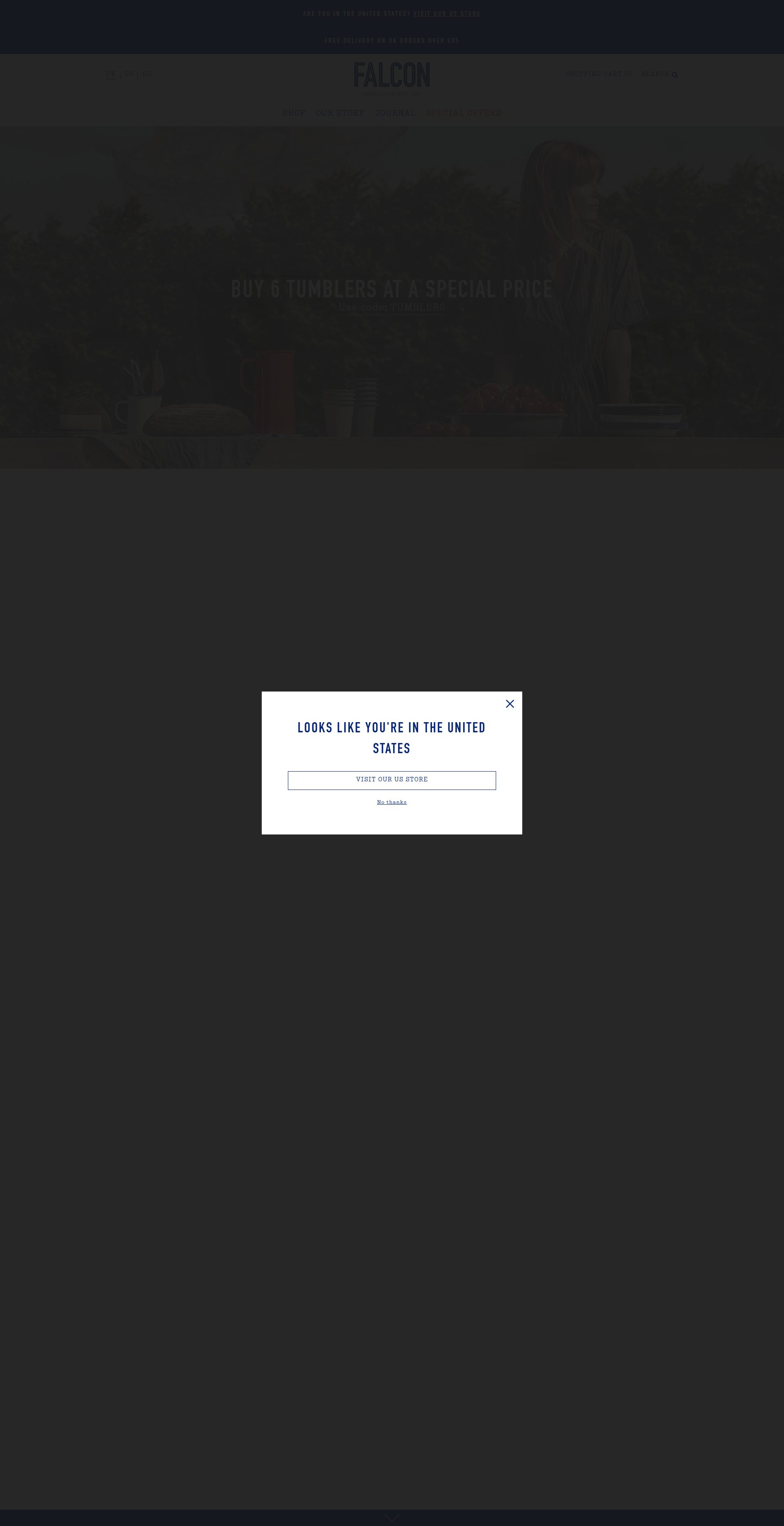
Falcon is a compact catalogue handled with unusual precision. There are not many SKUs, but every product page earns its keep: detailed care instructions, lifestyle photography that sells the outdoor and kitchen aesthetic simultaneously, and clear size guidance that removes the most common objection in enamelware purchases. The navy and white identity is applied consistently from the homepage hero to the packaging shots on the PDP, which is a small detail that compounds into strong brand recall.
The brand story, enamelware made to the same original 1920s design, is used as a quality signal rather than a nostalgia gimmick. Copy like "built to last, not built to replace" connects provenance directly to value, which is the most honest version of premium positioning.
3. Denby
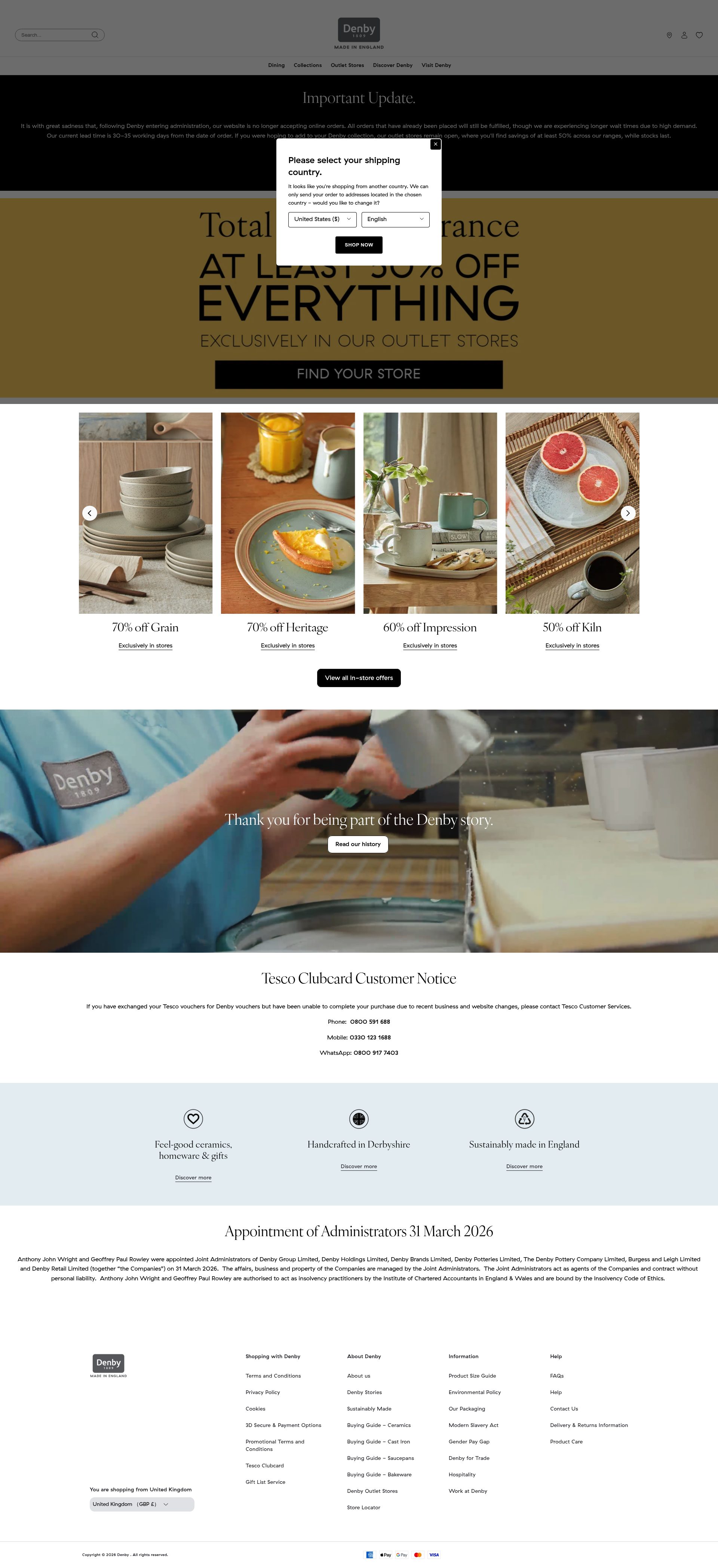
Denby manages one of the harder problems in tableware ecommerce: a wide catalogue with pieces that need to match across purchases made years apart. Their "add to your collection" messaging and clear pattern-matching guidance reduce the anxiety of buying single pieces rather than full sets. The PDP shows each piece in context with the rest of the pattern, which drives higher average order values by making it easy to add complementary items.
The Denby Rewards loyalty scheme is surfaced throughout the journey rather than just at checkout, which is the right call: customers in a considered-purchase category need to know the scheme exists before they commit, not after. Earn rates, redemption mechanics, and tier benefits are explained clearly without requiring a separate loyalty landing page.
4. Burleigh
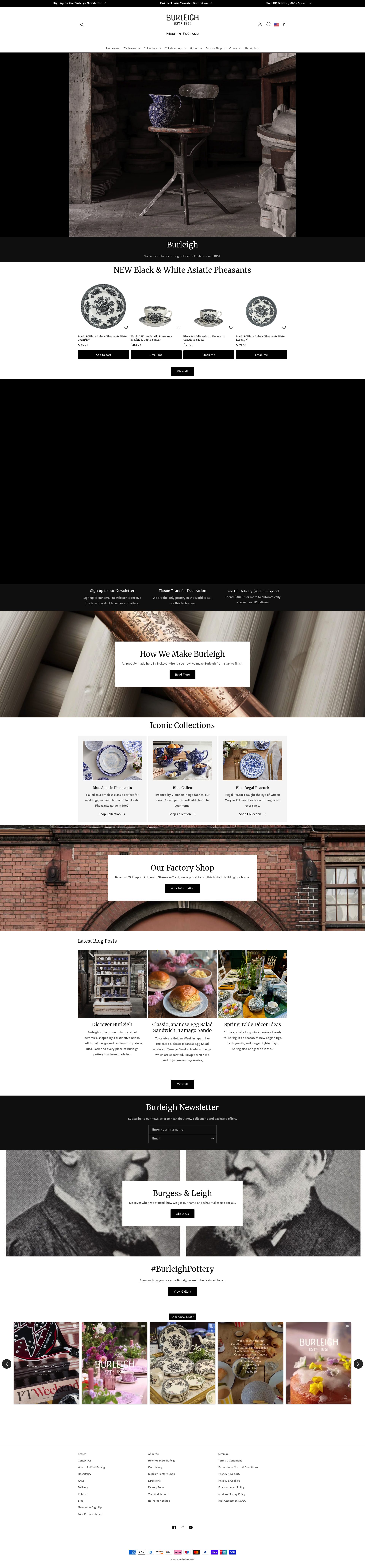
Burleigh is a 150-year-old Staffordshire pottery brand, and the store does an excellent job of translating that heritage into a digital buying experience. Each pattern has its own story, and the brand uses these stories to justify prices that sit above most high-street alternatives. The PDP structure separates product photography from lifestyle shots clearly, so customers can assess the pattern accurately before committing.
The gifting infrastructure is well-built. Gift boxes, gift wrapping options, and a dedicated gifting section in the navigation all reduce friction for buyers who know what they want but need reassurance on presentation. For a brand where a significant portion of revenue comes from occasions like weddings and birthdays, this is a sensible structural investment.
5. Wedgwood
Wedgwood operates a global Shopify Plus store and the scale shows in the infrastructure. Multi-currency, multi-language, and a product catalogue running into the thousands are all handled without the navigation becoming unwieldy. The filterable grid on collection pages is fast and returns accurate results, which matters when customers are searching for specific patterns across a deep catalogue.
The brand positions heritage and contemporary design in parallel rather than forcing a choice. Classic Blue Italian sits next to collaborations with contemporary designers, and the merchandising logic keeps both audiences on the site. The subscription gifting mechanic, where customers can arrange ongoing deliveries of seasonal items, is an underutilised revenue stream that Wedgwood surfaces better than most tableware brands.
6. Borrowing Magnolia
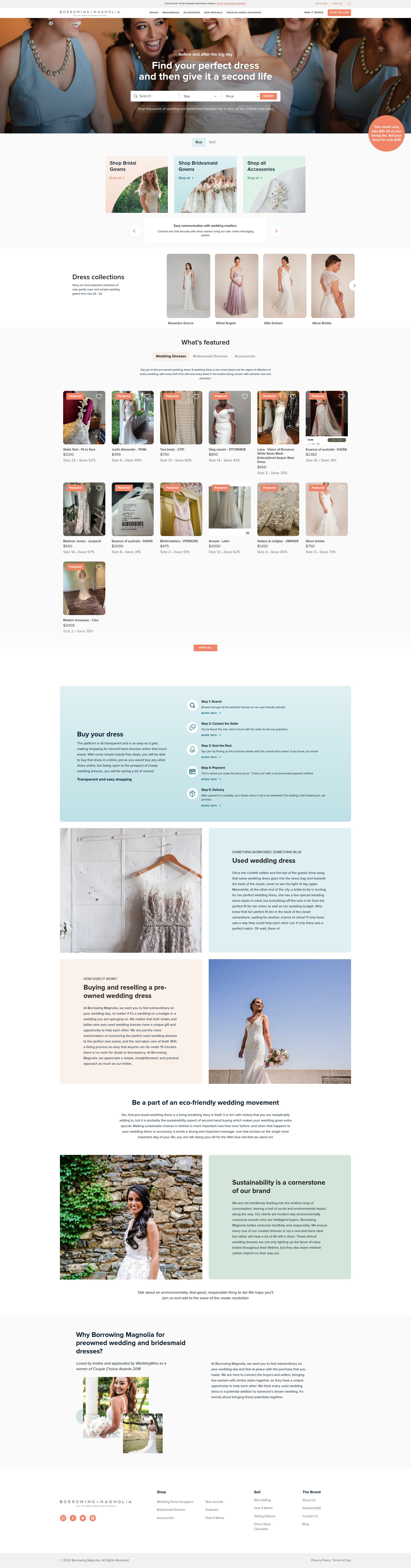
Borrowing Magnolia is a US-based tableware rental service on Shopify, and it is worth studying even if you sell products rather than rent them. The site solves a complex fulfilment model, customers browse, book dates, receive items, and return them, using a Shopify store without it feeling like a logistics interface. The browsing experience is product-first: large photography, clear collections, and availability information surfaced at the category level rather than only revealed after clicking through.
The pricing page is transparent about exactly what is included in each rental tier, and the FAQs are pre-emptive rather than reactive. Every question a first-time renter would ask is answered before checkout, which cuts the kind of support load that kills margins on a service-based model. It is a strong reference for any merchant with a complex pre-purchase decision to navigate.
7. East End Press

East End Press sells illustrated ceramics and tableware alongside prints and gifts, and the site handles a mixed catalogue well. The product photography is distinctive: pieces are shown in use rather than isolated on white, which is the right call for a brand where the illustrative style is the primary purchase driver. Customers need to see how the illustrations look on a mug in someone's hand, not just on a white product tile.
The cross-sell mechanics are well-executed. Related products shown beneath the PDP are genuinely thematic rather than algorithmically obvious, and the "complete the set" messaging appears at the right stage of the buying journey. For a brand with a broad catalogue of giftable items, this kind of deliberate cross-sell architecture directly impacts average order value.
8. Hay
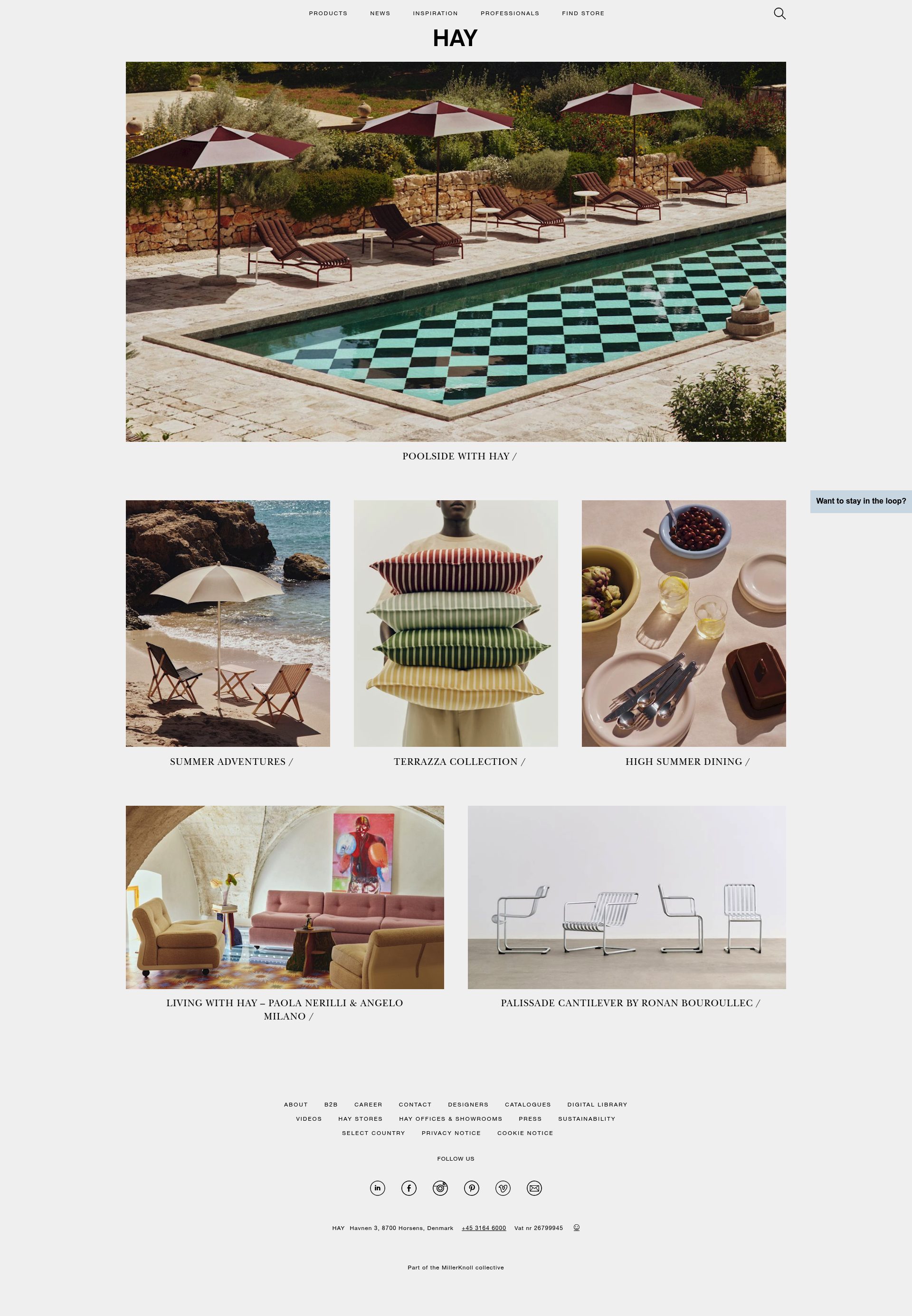
Hay is a Danish design brand with a strong tableware range, and their Shopify store demonstrates what product-first navigation looks like at scale. The grid view on collection pages is dense but not overwhelming: consistent photography, clear colour options surfaced at tile level rather than requiring a PDP click, and filter options that match how designers actually shop (by material, colour, designer). This reduces the time to decision for a customer who arrives knowing roughly what they want.
The brand does not rely on promotional mechanics to convert. No countdown timers, no urgency messaging, no loyalty points surfaced on the PDP. The product photography and copy do the work instead, which is a deliberate positioning choice that keeps the brand feeling premium even when a SKU sits at a relatively accessible price point.
9. Fable

Fable is a Canadian DTC tableware brand built entirely on Shopify Plus, and the store is a textbook example of how to launch and scale a product in a crowded category. The brand entered the market on a single positioning claim: restaurant-quality ceramics at a fair direct price. Every element of the site reinforces that: the photography mimics editorial restaurant coverage, the copy references durability and professional use, and the pricing is explained in terms of value per use rather than upfront cost.
The bundle mechanic is particularly strong. Fable pre-assembles starter sets that take the decision-making burden off first-time buyers, prices them at a clear saving versus individual purchase, and positions them as the logical entry point. This is exactly the right approach for a considered purchase category where customer acquisition cost is high: get the first order right, then build the relationship.
10. Aoife
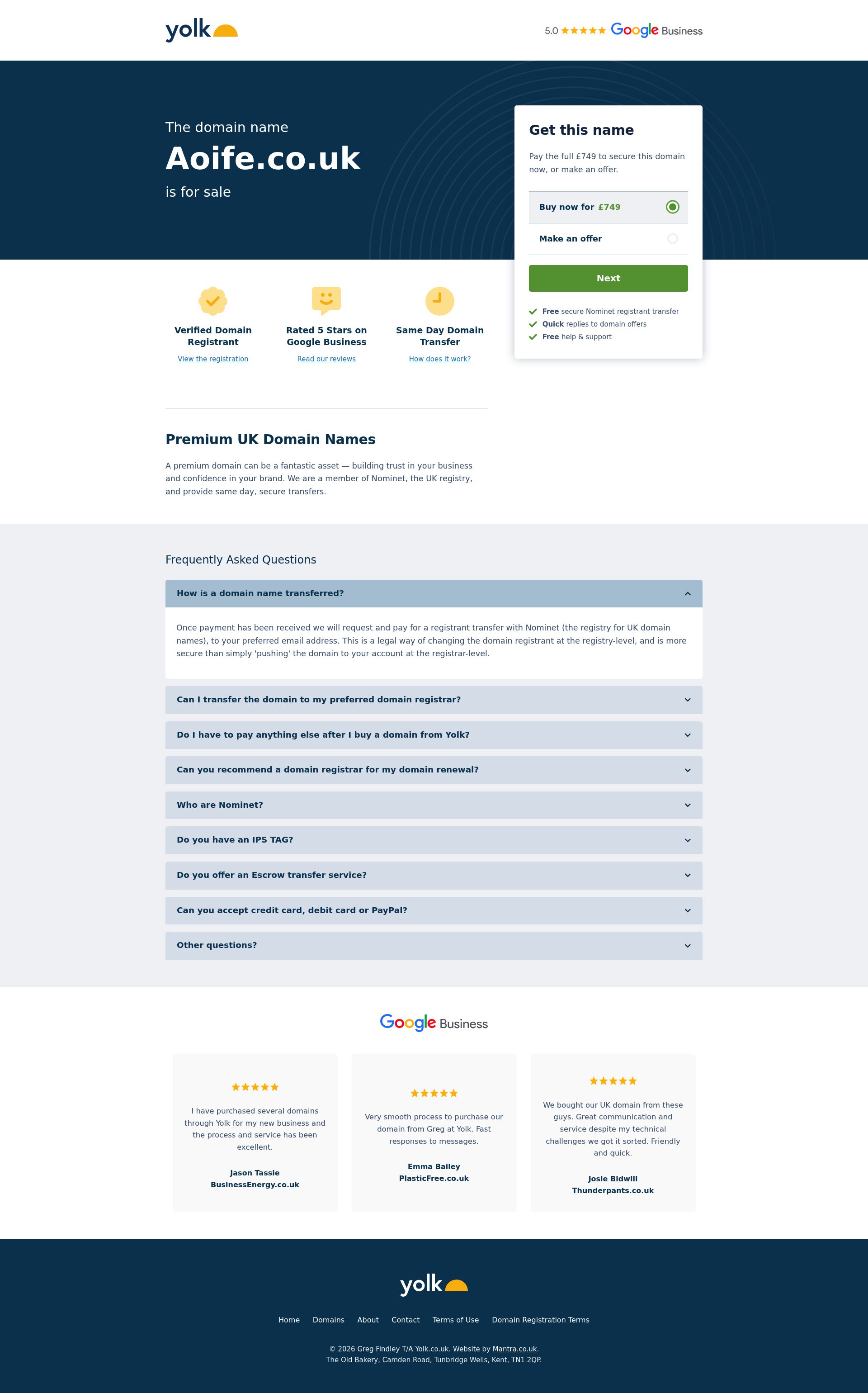
Aoife is a small-batch ceramic tableware brand with a handmade positioning that the store communicates without resorting to clichés. The product descriptions are honest about lead times for made-to-order pieces, which is a conversion risk but a trust-building one: customers who buy from Aoife do so knowing what they are getting into, and that shared understanding produces far fewer disputes and returns. The photography is spare and editorial, consistent with the aesthetic of the pieces themselves.
For merchants in the artisan or studio-pottery space, Aoife is the reference for how to handle inventory scarcity, communicate made-to-order lead times without losing the sale, and use photography that matches the product identity rather than following category conventions.
If you run a tableware, ceramics, or dining brand and want a Shopify store that converts at the level of the best in the category, SuttonCommerce's Shopify design service is built for exactly that — get in touch to discuss your project.
Frequently asked questions
Which Shopify stores sell the best quality tableware?
Emma Bridgewater, Denby, and Wedgwood consistently stand out for quality and brand trust. All three are long-established British manufacturers with Shopify stores that reflect the quality of the product — strong photography, clear provenance storytelling, and buying experiences that match the price point.
Can I sell handmade ceramics successfully on Shopify?
Yes — Aoife is the best example of how to do it well. The key is being upfront about made-to-order lead times on the product page itself, not hidden in FAQs. Customers who understand what they are buying before they commit produce far fewer disputes and returns, which protects margin on lower-volume, higher-effort products.
What makes tableware product pages convert better?
Three things separate high-converting tableware PDPs from average ones: lifestyle photography that shows pieces in use (not just on white backgrounds), clear size and pattern-matching guidance to reduce buyer uncertainty, and transparent gifting options surfaced on the product page rather than only at checkout. Denby and Falcon Enamelware both handle all three well.
How do tableware brands use bundles and sets to increase average order value?
The most effective approach is pre-assembled starter sets priced at a clear saving versus individual pieces, positioned as the logical entry point for new customers. Fable does this better than anyone in the DTC tableware space — bundles are the default recommendation, not an afterthought, and the pricing rationale is explained in terms of value per use rather than upfront cost.
How important is gifting infrastructure for a tableware Shopify store?
Extremely important. A significant share of tableware purchases are gifts for weddings, housewarmings, and birthdays, so gift boxing, gift messaging, and a dedicated gifting section in the navigation are not optional extras — they are core to conversion. Burleigh and Emma Bridgewater both treat gifting as a primary revenue mechanic, not an afterthought added at checkout.